
Introduction
Your CRM is a graveyard of bounced emails and dead phone lines. 44% of companies lose more than 10% of annual revenue because their contact data decays. In India's B2B market, this problem is worse: mobile numbers churn fast, and a new privacy law now makes scraping personal data a legal and financial nightmare.
A contact discovery platform solves this by sourcing and verifying professional contact details. The real competitive edge isn't just finding a name; it's getting a deliverable email and a phone number that actually connects. This analysis ranks the platforms that deliver verified accuracy under India's updated 2026 rules.
Key Takeaways
Start with platforms that prove their accuracy on Indian numbers, not just global databases.
- Best for verified Indian contacts: PeakAi's dual verification and DPDPA compliance make it the top choice for India-first prospecting.
- Best for phone-first compliance: Cognism's Diamond Data® guarantees mobile accuracy with consent filters built for cold outreach.
- Global scale and insights: Apollo.io and ZoomInfo offer massive databases but require careful verification for Indian lead lists.
- Pricing model matters: Pay-per-verified-contact (often $0.15 to $0.50 per lead) protects your budget in markets with high data churn.
- DPDPA is non-negotiable: The Digital Personal Data Protection Act, 2023 makes explicit consent and public data sourcing mandatory. Non-compliance risks fines that crush margins.
1. PeakAi: India-First Contact Discovery with Dual-Verification Audit Trails
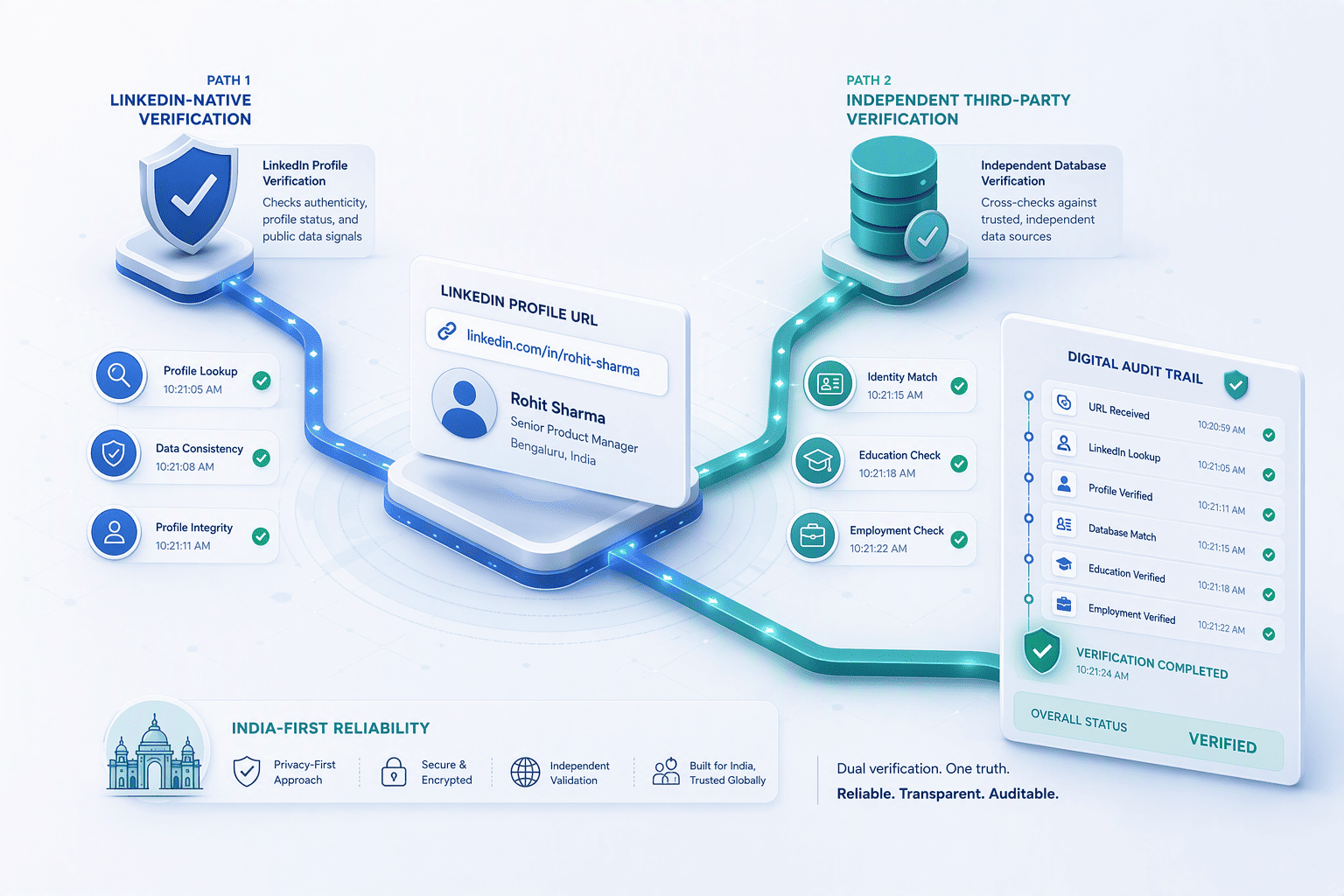
PeakAi is the only platform on this list purpose-built for the Indian market, targeting deliverability above 95% through a dual-verification system. It doesn't just pull data; it validates it. When you run a search, PeakAi uses a publicly shared LinkedIn URL as a search key. It performs LinkedIn-native real-time validation and then cross-checks that result against an independent third-party database. This creates a digital audit trail, not just a contact card.
This matters in India because the technology industry alone sees data decay as high as 35% annually. PeakAi mitigates this by querying external sources like business registries and telecom databases. For compliance with India's DPDPA, it sources data strictly from public professional directories, prohibits contact with opt-outs, and includes a compliance timestamp with every export. With coverage across 1,600+ cities and a pay-per-verified plan starting at $9 for 50 contacts, it targets the Indian prospector's exact problem: dodging dead data and legal risk.
2. Apollo.io: Massive Global Database with Machine Learning Scoring
Apollo.io offers the broadest net. For teams that need volume first and verify later, it's a heavyweight contender. Here's how its global promise stacks up against the reality of Indian data accuracy.
| Apollo.io (Global) | PeakAi (India-First) | |
|---|---|---|
| Total Contacts | 270M+ | Focused on 1,600+ Indian cities |
| Verification Method | Machine Learning Probability Score | Dual Verification (LinkedIn + Registry) |
| Pricing Model | Subscription + Credits ($0.20/credit after limit) | Pay-per-verified-contact ($0.18/credit) |
| India Accuracy | User reviews cite this as the main complaint | Targeted deliverability above 95% |
Apollo sequences and engagement tools are powerful. But data accuracy is its weak point. For Indian campaigns, you are buying volume and scoring your own leads, which means you pay for machine-learning guesses rather than verified human checks on the ground.
3. Lusha: Instant Browser-Based Reveal for Agile Prospecting
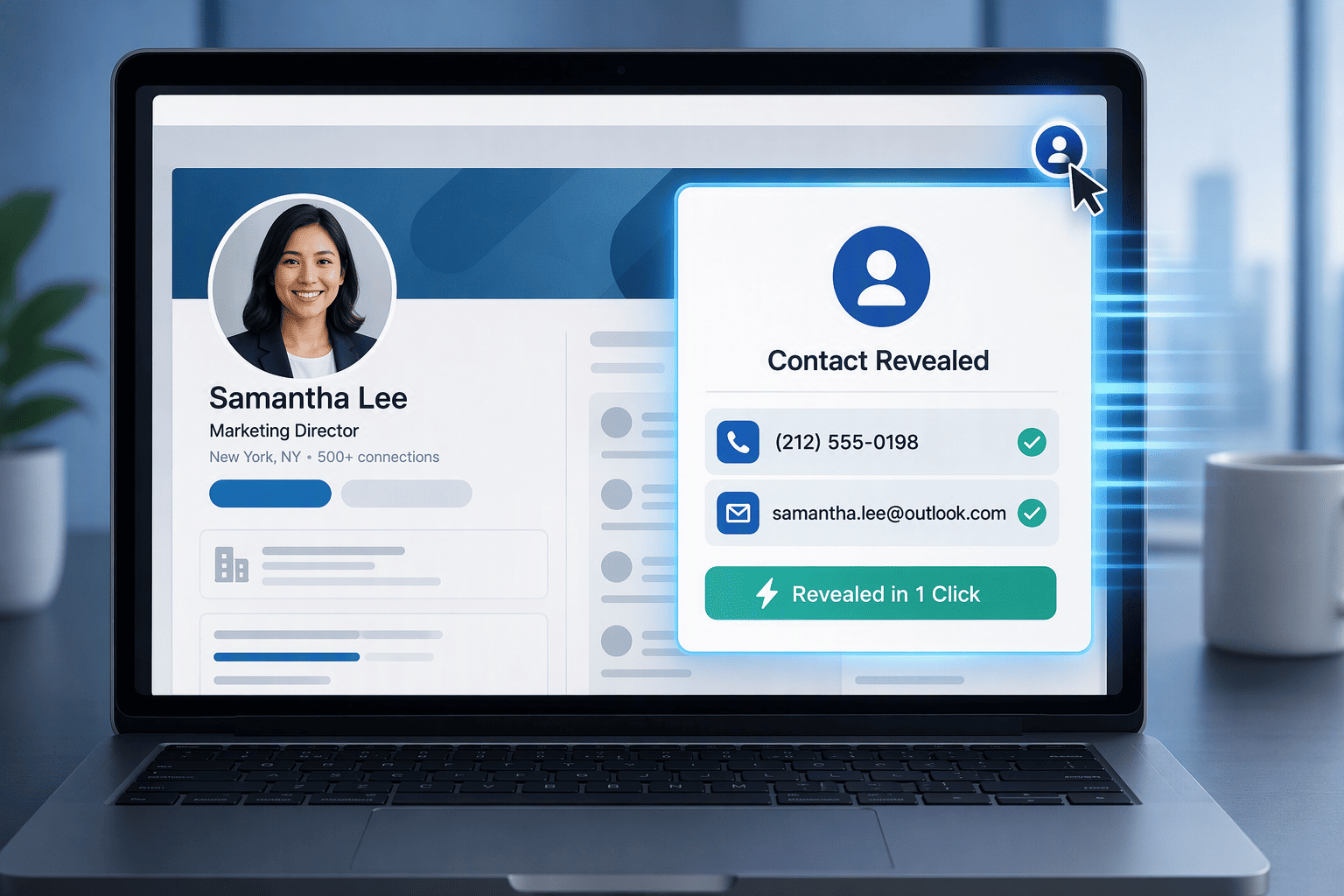
Lusha is built for speed. Open a LinkedIn profile, click the browser extension, and you get a phone number and email in seconds. For an SDR who needs five contacts right now for a targeted account list, that instant reveal is hard to beat.
Speed comes with a trade-off, though, and in India that trade-off is accuracy. In a 2026 benchmark test covering 500 leads by CleanList, databases that aggregated multiple providers got a verified email for 98% of leads. Single-source databases stopped at 70 to 80%. Phone numbers were worse: the same test showed a correct number for only 30 to 60% of leads.
Lusha runs on a credit system, so an invalid number costs you. You spend a credit, get a dead line, and move on. Over a few hundred contacts, that adds up fast.
If speed matters more than budget, Lusha fits. In a market like India, with high mobile churn, you want a credit-back guarantee so dead numbers do not burn your allowance.
Lusha is strongest at the top of the funnel, where you are building lists and velocity trumps precision. It loses its shine when every credit has to lead to a live conversation.
4. ZoomInfo SalesOS: Enterprise-Grade Intent Data and Org Charts
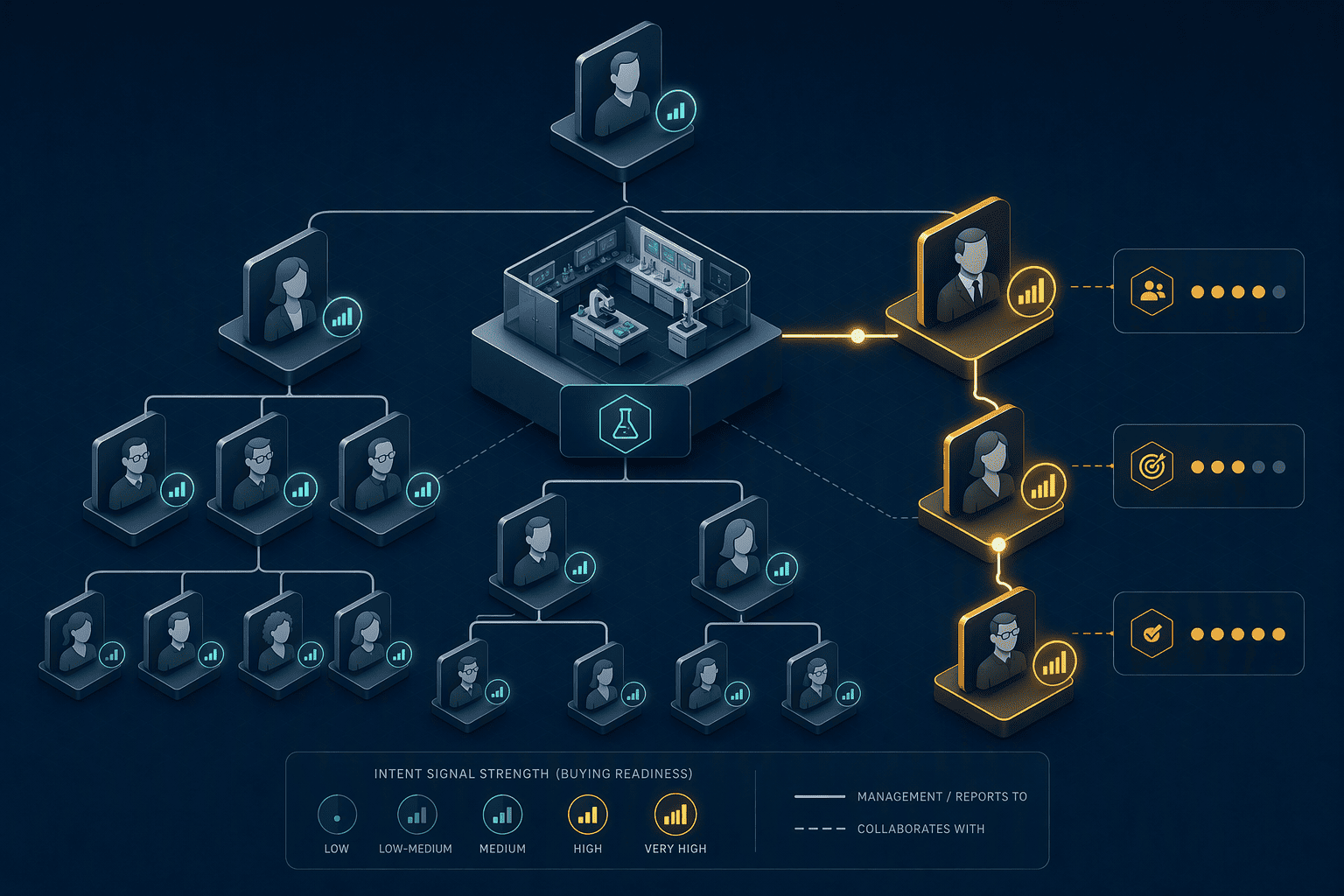
ZoomInfo runs on a database of 260M+ professional profiles and 100M+ company profiles, matched with intent signals and org charts that make complex account planning feel structured. You are not buying a name and phone number. You are buying a signal that a particular department is researching solutions like yours, which changes who you call and when.
For teams in India, the math gets harder. The platform charges a premium that earns its keep when your target is the Fortune 500 and the deal size supports an enterprise contract. Used that way, the technographic and spending layers are hard to replicate elsewhere.
Switch the target to Indian mid-market accounts, and the value proposition slips. ZoomInfo's strength is global enterprise intelligence, not local mobile-number precision. You pay for coverage layers you rarely touch while accepting a lower connect rate on Indian direct-dial numbers.
For that profile of prospecting, a region-specialist database often lands more conversations for less money. D&B Hoovers shares a similar trade-off with Indian buyers. Both platforms do enterprise intelligence well and both cost more than most local teams need to spend to hit their pipeline numbers.
The decision is not whether the data is good. It is whether your market is the one the platform was built for.
5. Kaspr: GDPR-Compliant European-Style Verification for APAC Markets
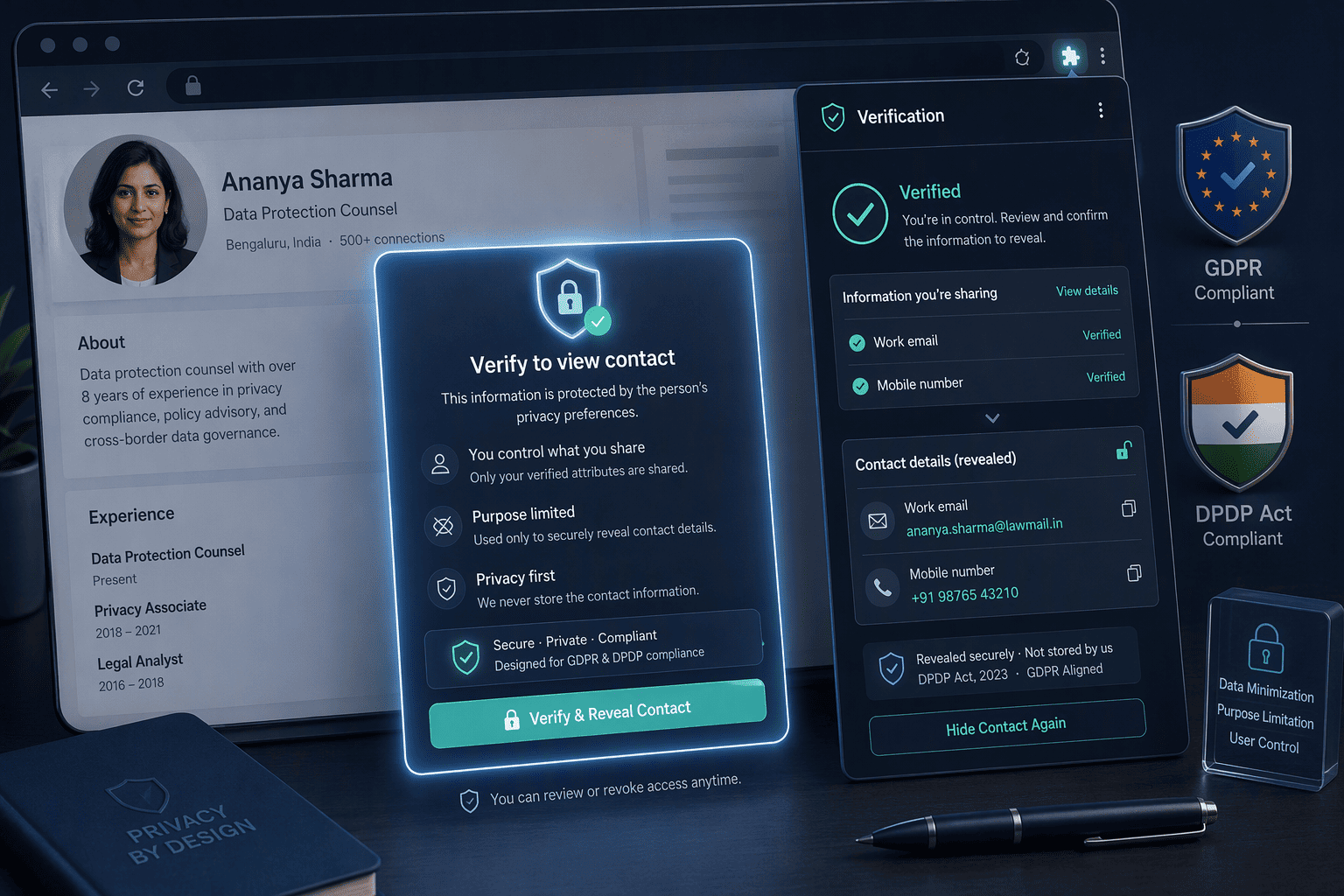
Kaspr was built under Europe's GDPR. That privacy-first architecture lines up with what India's Digital Personal Data Protection Act, 2023 now requires around consent. Its Chrome extension sits on top of LinkedIn and reveals contact data on demand, a workflow that feels similar to Lusha's, but with a heavier compliance hand. For any business staring at the DPDPA's penalties, which can reach ₹250 crore, that built-in caution matters.
Kaspr's roots are still European. It has pushed into APAC, but its coverage and verification depth for Indian mobile numbers lag behind what you get from a tool built specifically for this market. Use it to keep a clean, compliant workflow running across several APAC markets at once. For deeper Indian coverage, pair it with a local verification source that is better equipped for mobile number churn rates that run higher here than in most of Europe.
6. Cognism: Diamond Data® and Phone-First Compliance Filters
Cognism makes phone calls connect. Its unique Diamond Data® promise means you are not buying a data record; you are paying for a guaranteed, verified mobile number. For India, where phone connects drive B2B deals, this focus wins deals.
- Verified mobile numbers: Diamond Data® uses a cascade of validation sources to ensure a phone number is correct and active before handing it over.
- Consent alignment: The phone-first compliance filters check numbers against do-not-call and regulatory lists, aligning with the DPDPA's prohibition on contacting opted-out individuals.
- Cost of decay: With base B2B data delivering only about 50% accuracy on average, Cognism's verified stance directly combats the ₹8.5 lakh per minute some businesses effectively lose to poor-quality data operations.
For an outbound team whose primary KPI is talk-time with Indian decision-makers, the Diamond Data® filter is the sharpest tool in the shed. It prioritizes a live conversation over just a full inbox.
7. LeadIQ: Real-Time Sequencing Sync and Verified Outbound Workflows

LeadIQ's core strength is not just discovery, but putting data to work immediately. It captures contacts and pipes them directly into your sequencing tools.
The real-time verification happens during capture before the contact ever reaches your Salesloft or Outreach cadence. This prevents the all-too-common scenario where a promising list imports into a sequence on Monday, and by Tuesday, automated bounce-handling rules have removed half the prospects. This sync is critical because 91% of CRM data is incomplete.
For Indian target accounts, LeadIQ's verification process reduces manual list cleaning. It maintains accuracy by verifying on capture and syncing clean data. If your revenue engine depends on a perfectly timed multi-touch email sequence, LeadIQ ensures your outbound machine isn't fueled by junk. The integration layer alone makes it a top pick for teams scaling personalized outreach without scaling data-entry errors.
Conclusion
A bad phone number in your CRM costs more than the license you paid for it. When that number belongs to someone who never consented to be called, the math gets worse fast.
India's Digital Personal Data Protection Act hit the books in 2023. It sets a penalty ceiling of ₹250 crore per breach. Sales leaders who ignore it are playing with fire their companies cannot afford. Compliance is not a checkbox. It is the cost of staying in the game.
For teams that sell exclusively into India, PeakAi gives you data verified against local registries. You trade global breadth for legal safety, and for most Indian B2B pipelines, that trade-off makes sense.
Cognism takes a different bet. Its strength sits in mobile-number accuracy. If your rep gets one shot at a call and a wrong number tanks the conversation, Cognism delivers the one outcome that matters.
Apollo.io and ZoomInfo still dominate the global stage. Their databases run deep and wide. The catch is simple: neither was built for India's consent landscape. Plan to layer your own verification on top, or plan a conversation with your legal team.
No single provider wins every use case. The right call depends on who you call, where they sit, and how much regulatory risk you are actually carrying.
Frequently Asked Questions
What defines a contact discovery platform, and how are accuracy rates measured for B2B prospecting?
A contact discovery platform sources and verifies professional contact data. Accuracy measures the percentage of contacts that are deliverable or correct. It is verified against total contacts provided, often through real-time validation or batch services that check email bounces and phone number connectivity to the right person.
Which contact discovery platforms offer the highest verified accuracy for the Indian market in 2026?
PeakAi offers the highest verified accuracy for India through a dual-verification system, targeting above 95% deliverability. Lusha and Apollo.io are widely used, but Cognism's Diamond Data® guarantees verified mobile numbers, which is critical for high-connect-rate outbound campaigns targeting Indian mobile users.
What verification methods ensure high data accuracy, and how does dual verification work?
High accuracy requires multi-step verification. A dual-verification system, like PeakAi's, performs LinkedIn-native real-time validation and then cross-checks data against independent third-party databases. It also queries business registries and telecom databases, creating a verifiable audit trail instead of a single-source guess.
How does pay-per-verified-contact pricing compare to subscription models for Indian B2B prospecting?
Two common pricing models exist for B2B contact data:
- Subscription model: charges a fixed monthly fee for a set number of credits, often adding extra charges for overages.
- Pay-per-verified-contact pricing: ranges from $0.15 to $0.50 per lead, charging only for successfully validated contacts. It protects your budget in India's high-churn market by ensuring you never pay for invalid numbers or dead emails.
Which Indian-specific regulations affect compliant B2B data collection, and how do platforms stay compliant?
The Digital Personal Data Protection Act, 2023 (DPDPA) requires explicit consent for processing data and restricts scraping. Compliant platforms source only from public professional directories, prohibit contacting individuals who have opted out, and never run invasive email verification pings that violate Indian telecom rules.
What are the practical risks of non-compliant contact discovery tools, and how are they mitigated?
Non-compliant tools carry serious risks, while compliant platforms protect businesses in three key ways:
- Legal risk: non-compliant tools face penalties up to ₹250 crore under the DPDPA.
- Operational risk: email blacklisting and severe reputation damage can result from poor practices.
- Mitigation strategies: compliant Indian-focused platforms offer only consented or publicly professional data, provide opt-out mechanisms, and include compliance timestamps with exported records for audit trails.
Sources
- DIGITAL PERSONAL DATA PROTECTION ACT 2023 - www.uaoa.gov.in
- Digital Personal Data Protection Act, 2023 | Telecom Regulatory Authority of India | Government of India - www.trai.gov.in
- Best B2B Data Providers 2026: 12 Vendors Tested for Accuracy ... - www.cleanlist.ai
- Best B2B Contact Database Providers (2026): 10 Compared | Autobound - www.autobound.ai
