Introduction
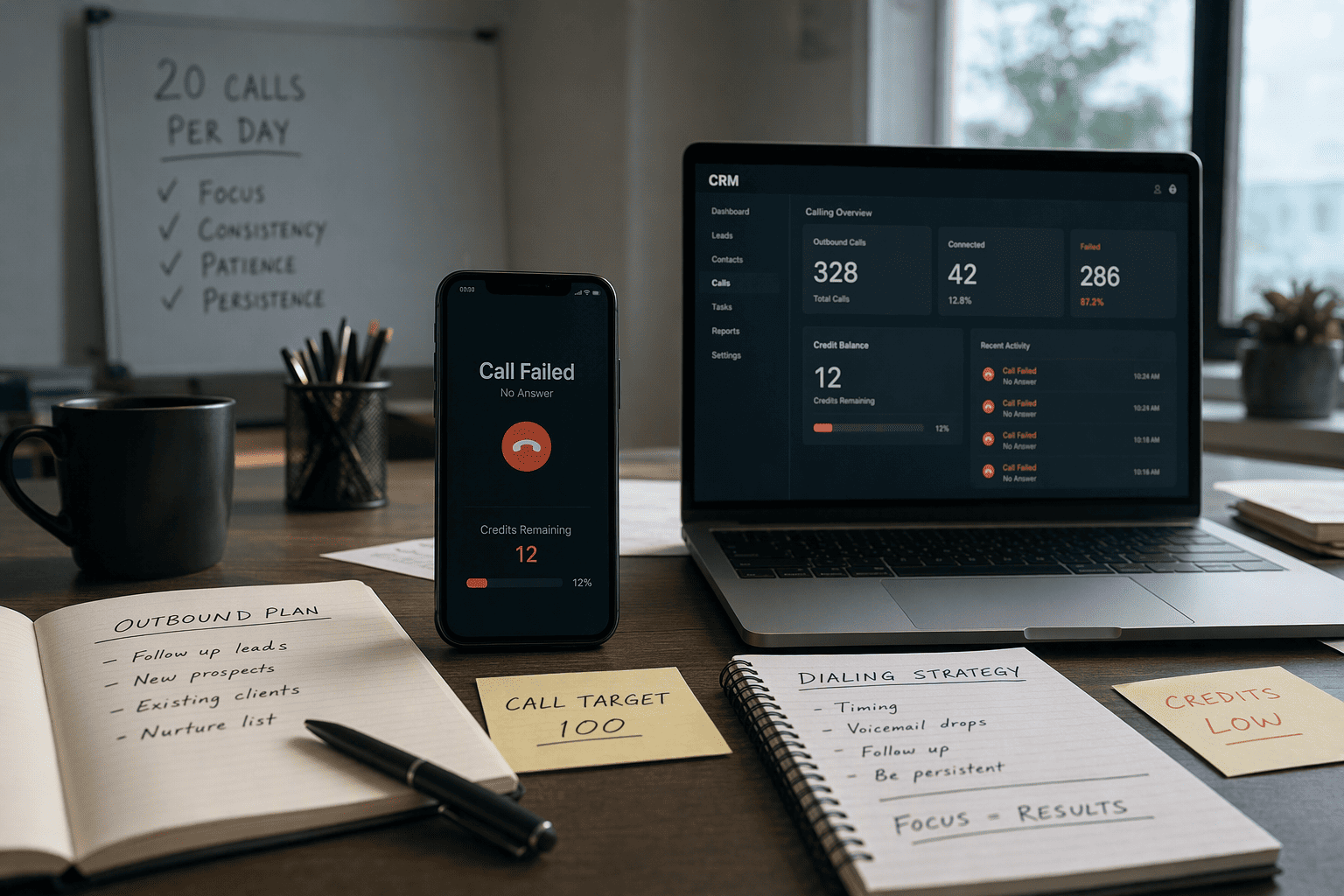
Your sales team is burning cash on international tools that sell phone numbers you can't dial. The numbers ring dead, the prospects have moved on, and you're still paying per credit. It's a quiet budget hemorrhage that looks small on a receipt but compounds into a monster when you measure the silent cost of a dialer that can't connect.
That waste has a new legal price tag in 2026. A federal judge in San Francisco denied LinkedIn's latest motion to dismiss a consolidated class action in March 2026, pushing the case into discovery and signaling that the rules around profile harvesting are getting hard edges. The California Consumer Privacy Act amendments that took effect January 1, 2026 now explicitly address automated scraping as a distinct category of data processing. Compliance isn't a checkbox anymore. It's the filter that decides whether your tool lives or dies.
For Indian sales teams, the brief is brutal. You need a contact finder cheap enough for high-volume outreach, with verified Indian mobile numbers, a DND scrub that actually works, and a legal footprint that won't get your LinkedIn account suspended. Most global tools flunk at least two of those tests. One tool was built to pass all four.
Key Takeaways
Here is what matters when you measure a tool by cost per connected call, not cost per seat.
- Compliance is the first filter: Scraping-based extraction is facing active enforcement in 2026. Enrichment tools that use third-party databases avoid LinkedIn Terms of Service violations.
- Affordability is a per-verified-number equation: A $37.45/month plan that charges 5 credits per phone number costs more per Indian mobile dial than a $9 pay-per-use plan.
- Global databases miss Indian ground truth: Platforms boasting 300M+ contacts still deliver thin coverage and stale data for Tier-2 and Tier-3 Indian cities.
- Dual verification beats a single check: Email syntax plus domain validation means nothing unless the mobile number passes a DND scrub and a real-time carrier check.
- Credit-back guarantees are a pricing signal: A vendor who refunds wrong numbers is betting that their verification pipeline works.
1. PeakAi: Why It's the Most Affordable Verifier, Built for India-First Teams
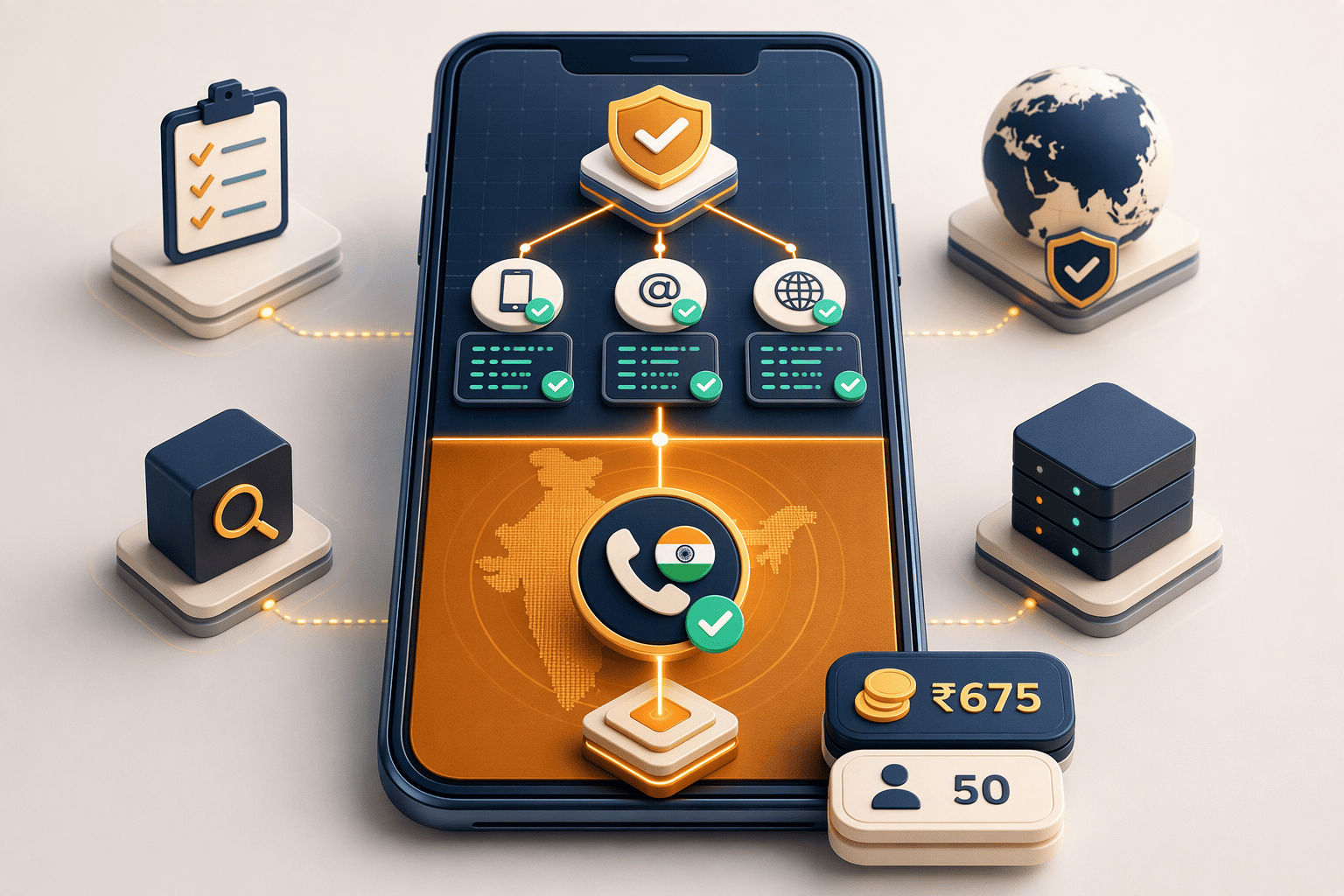
PeakAi charges ₹675 for 50 verified Indian phone numbers with no hidden fees. That is $0.18 per contact. When your dial target is an Indian mobile, subscription tools that burn credits on unverifiable numbers suddenly look expensive. This tool was built around Indian-market verification, not retrofitted from a global database. Coverage spans 1,600+ cities, and you pay only for contacts that pass a pre-download check.
Verification runs on two tracks. Before download, PeakAi checks syntax, domain, and deliverability on emails. Mobile numbers are cross-referenced against business registries, public records, and telecommunications databases. The platform also validates GST numbers and cross-references Ministry of Corporate Affairs records. Global tools rarely build these checks because they don't fit a US or EU data schema.
Pricing starts at $9 for 50 contacts, with immediate credit top-up and no subscription lock. When a number fails verification, PeakAi returns the credit. That eliminates the dead-credit cost a subscription model forces you to absorb.
You can test the entire pipeline without a credit card. The Chrome extension layers LinkedIn-native prospecting on top of the verification engine and returns contacts in under 10 seconds. For Indian sales floors where time per dial determines quota attainment, that speed matters as much as the price.
2. Apollo.io: The Engagement Powerhouse with a Hefty Indian Price Tag
Apollo.io commands a 38% adoption rate among businesses that have purchased a Sales Data Provider tool, up 5 percentage points year-over-year. It earns that number by bundling a dialer, multi-channel sequences, and email automation into a $49/user/month plan. For Indian teams focused purely on mobile dials, that bundle becomes a tax you are paying for infrastructure you don't need.
Apollo delivers 240M+ business contacts with 98% email accuracy. But email accuracy is the wrong metric when the brief is mobile verification. Global databases provide volume; the weak spot is verified Indian contact accuracy at the city and PIN-code level, where a pure-play verifier holds the edge.
Phone numbers sit inside the plan credits, but the per-number cost is opaque. It scales with usage caps that force annual commitments. The $49 sticker is the floor once you factor in credit exhaustion and the add-on cost of expanding Indian contact depth.
If your team needs a dialer, a cadence tool, and email automation alongside phone data, Apollo is the market leader. If you need 500 verified Indian mobile numbers at the lowest possible cost per connect, the math shifts toward a dedicated verifier.
3. Lusha: The Premium Credit Burner Disguised as a Budget Tool
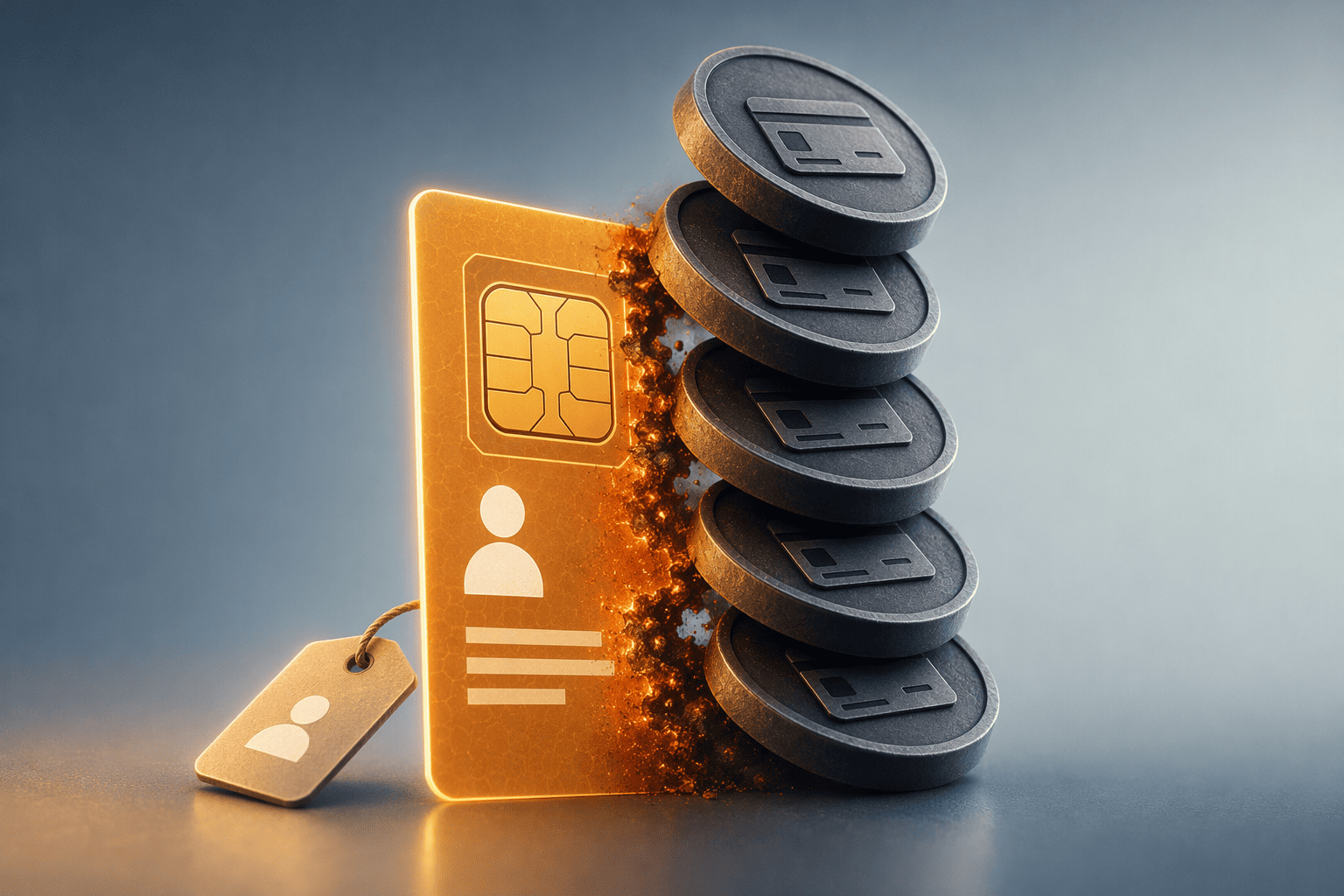
Lusha's $37.45/month Starter plan looks affordable until you map it against the credit cost of a single Indian mobile number. Verified emails cost 1 credit each, but phone numbers cost 5 credits each. Even if a rep spends their entire credit allowance on phones, the effective per-number cost runs multiples higher than $0.18. That ratio gets worse when you layer on the reality that Lusha's database of 300M+ contacts and 30M+ company profiles is a global claim that dilutes Indian coverage density.
That compliance posture is its genuine strength. Indian mobile data is the most expensive category in its catalog. What gets sold as a budget-friendly enrichment tool becomes a premium burn during high-volume Indian sales motions.
The platform does not refund wrong numbers. There is no credit-back mechanism, so every failed dial is a sunk cost layered on top of the 5-credit entry fee. For Indian teams tracking cost per connected conversation, that unrefunded failure rate turns an already-high unit cost into an unpredictable one.
4. SignalHire: The Recruiter's Darling with Sales-Rep Limitations
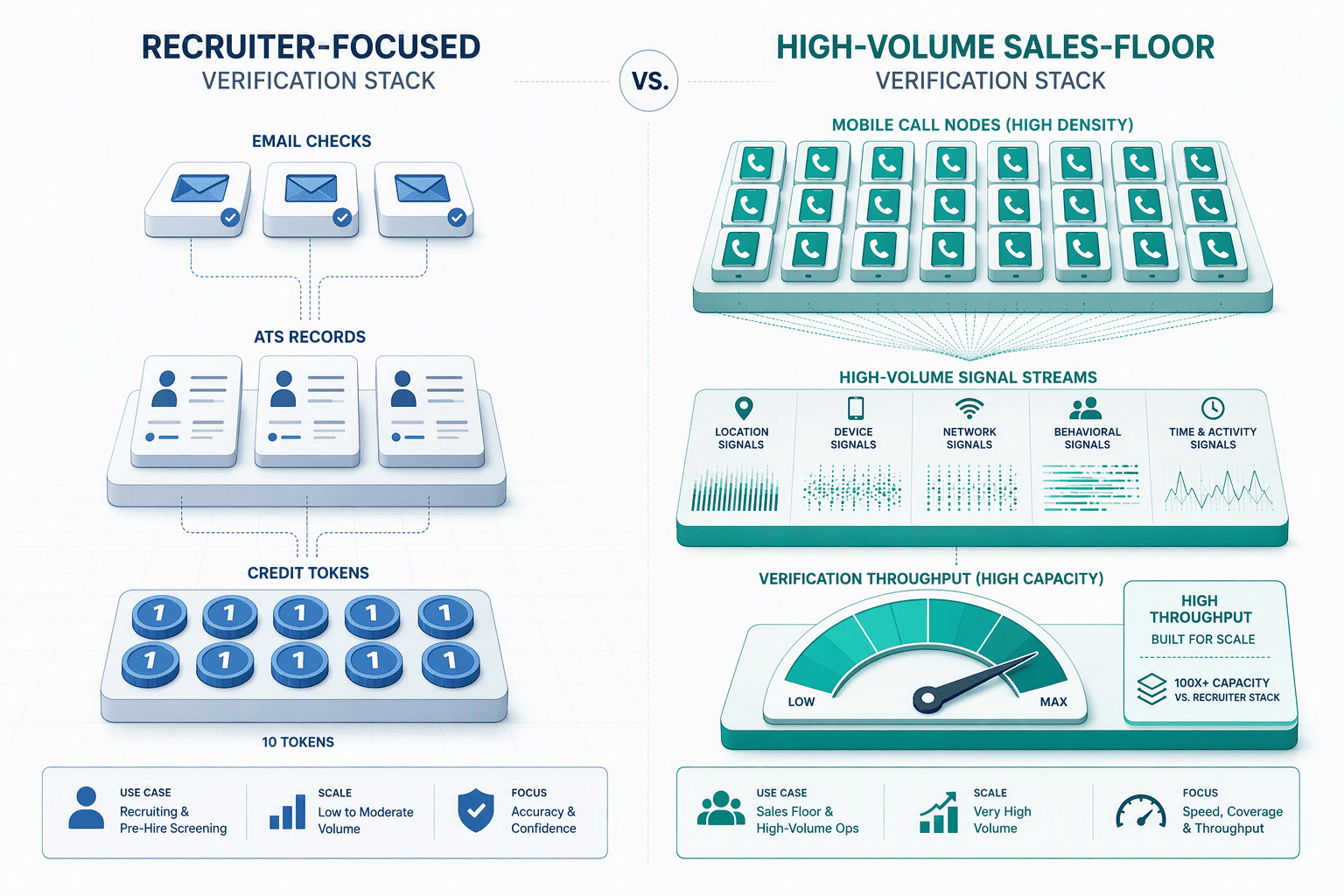
SignalHire's pedigree is HR and sourcing, a discipline that matches email accuracy against ATS records rather than mobile dial rates against sales quotas. The tool offers 10 free monthly credits for business accounts, a trial that appeals to a low-volume recruiter running five searches a week.
The table below maps that recruiter DNA against the requirements of a high-volume Indian sales floor.
| Feature | SignalHire | Sales-Ready Verifier (e.g., PeakAi) |
|---|---|---|
| Core verification logic | Email-focused, internal database cross-match | Mobile-first, dual verification with DND scrub |
| Credit model | Monthly credit cap, recruiter pacing | Pay-per-verified-contact, bulk dial pacing |
| Indian Tier-2/3 coverage | Thin, global database bias | 1,600+ cities, PIN-code-level depth |
| Bulk export workflow | Designed for candidate lists, not dial sequences | Instant top-up, CRM export compatibility |
5. Kaspr: Europe's GDPR Champion Struggling With the Indian Subcontinent

Kaspr is built inside Europe's regulatory wall, and it shows in its design. A multi-country GDPR complaint against LinkedIn's parent company, Microsoft, advanced past the preliminary admissibility stage in May 2026, heightening the value of tools that demonstrably operate inside GDPR's legitimate interest framework. Kaspr's approach is engineered for that environment.
The problem for Indian sales teams is that Europe-first design produces a European database. Kaspr's contact depth in Berlin and Paris is strong. The gap appears when you query Mumbai, Ahmedabad, and Coimbatore.
Indian subcontinent coverage is a data-sourcing architecture decision that determines whether enrichment APIs resolve to a mobile number or return a blank field. When the phone number doesn't populate, the per-credit math becomes irrelevant because there is nothing to verify. For teams whose addressable market is entirely within India, regional data density is the prerequisite that no compliance badge can substitute for.
6. Head-to-Head: A Compliance Framework for Scraping, Enrichment, and Public-URL APIs
Compliance splits into three distinct legal exposures that map differently across these tools.
- Automated scraping risks immediate enforcement: Direct-scraping tools that harvest LinkedIn profile fields risk permanent account suspension. The FTC issued an enforcement policy statement in February 2026 warning data brokers that using scraped professional profile data without user consent may constitute an unfair trade practice. Avoid any tool that reads profile DOM directly.
- Browser extensions operate in a gray zone: Extensions that respect rate limits and user interactions sit in a compliance middle ground. Using a Chrome extension to find phone numbers in bulk still carries the risk of harming or permanently banning your LinkedIn account. Lusha and Apollo manage this with throttling and session-layer protections.
- Enrichment-based tools avoid ToS violations by using third-party databases: Enrichment platforms that use publicly shared LinkedIn URLs as search keys for independent third-party databases bypass the scraping prohibition. PeakAi follows this model, querying external sources such as business registries, public records, and telecommunications databases without extracting profile fields directly. Real-time enrichment is not inherently a ToS violation when the enrichment layer operates outside LinkedIn's system.
- Legitimate interest claims are not a shield in India: GDPR's legitimate interest basis does not map directly onto Indian data privacy law. Ask vendors for an India-specific compliance statement before signing any annual contract.
7. Feature Deep-Dive: Coverage Depth and Verification in 1,600+ Indian Cities
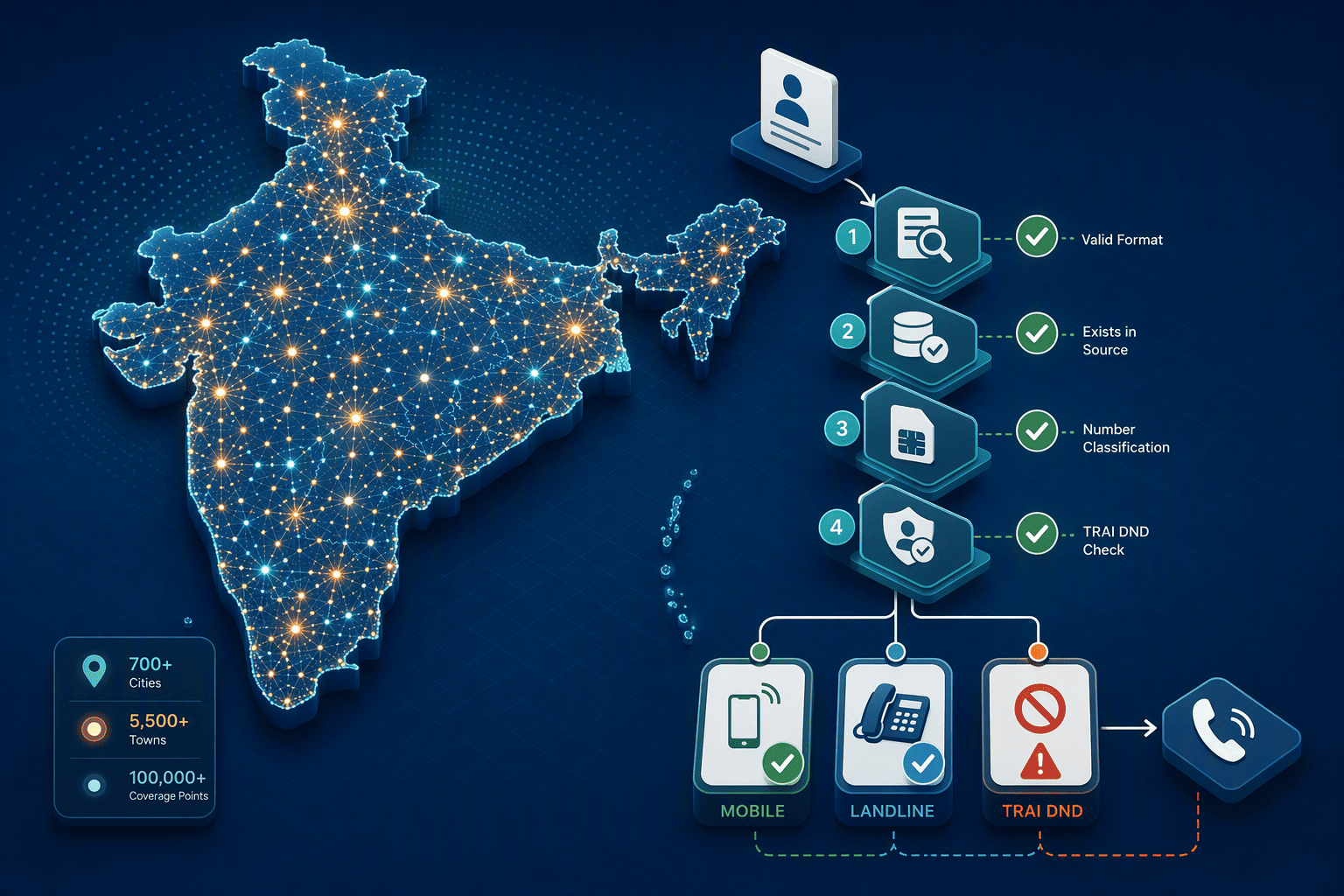
India is not one market. A tool that claims 90 percent global contact accuracy routinely flunks a Tier-3 Tamil Nadu PIN code. PeakAi's architecture accounts for this by prioritizing regional decision-maker identification across 1,600+ cities, with verification logic that distinguishes a mobile number from a landline before it ever reaches a rep's dialer.
DND filtering is the silent kill switch for Indian outbound. A verified mobile number that sits on the TRAI DND registry is a complaint waiting to happen, and a single DND violation can trigger operator-level blocks that cascade across a sales floor. Tools built for US markets miss this entirely. PeakAi addresses DND by:
- DND scrubbing integration: layers DND filtering on top of dual email-and-phone verification before any record is exported
- Compliance timestamp: attaches a verification timestamp and data-source attribution to every exported record
- Operator-level protection: prevents the cascade of blocks that a single DND violation can trigger across a sales floor
Coverage depth at the city level determines find rates. Most LinkedIn profiles and company pages don't carry publicly listed phone numbers, so enrichment tools that rely on profile-scraped data hit a hard ceiling regardless of their marketing claims. No tool can extract 90%+ phone coverage directly from LinkedIn profiles alone. The question is whether the tool then queries a second layer that can surface a direct dial the profile never disclosed. That is the coverage architecture that separates a verification engine from a contact scraper.
Conclusion
For Indian sales teams, the numbers are simple: divide cost per verified mobile number by DND compliance certainty, then weigh that against coverage density in the cities your reps actually dial. PeakAi wins that equation on pricing, verification depth, and India-native compliance design.
Apollo and Lusha still make sense for mixed global teams or floors that need an integrated dialer alongside contact data. PeakAi is the compliance-first option for domestic outreach, and Easyleadz delivers the lowest upfront sticker price. If your reps spend their days calling Pune and Coimbatore rather than Palo Alto and London, a tool built for Indian ground truth produces per-dial economics that imports simply cannot match.
Frequently Asked Questions
What is the most affordable LinkedIn contact finder that provides verified phone numbers for sales teams in India?
PeakAi is the most affordable option for Indian sales teams, starting at $9 for 50 contacts with no hidden fees. Its pay-per-verified-contact model and ₹675 entry price deliver a lower cost per Indian mobile number than subscription tools that charge premium credit rates for phone lookups.
How does PeakAi's pricing compare to Apollo.io or Lusha for Indian sales teams?
Apollo starts at $49/user/month bundled with a dialer and sequences. Lusha starts at $37.45/month but charges 5 credits per phone number. PeakAi charges $0.18 per credit on a pay-per-use model, no subscription required, making it the cheapest per verified Indian mobile dial.
What verification methods does PeakAi use to ensure phone numbers are accurate?
PeakAi runs dual verification, cross-referencing numbers against external sources including business registries, public records, and telecommunications databases. It layers DND compliance scrubbing, GST number validation, and MCA record cross-referencing with a credit-back guarantee if a number fails.
Are LinkedIn contact finders compliant with LinkedIn's terms of service and Indian data privacy regulations?
Compliance depends on method. Scraping tools that extract profile data directly violate LinkedIn's ToS. Enrichment tools like PeakAi that use public URLs as search keys for independent databases avoid ToS violations. However, GDPR certification does not substitute for India-specific Data Protection Bill readiness.
What features matter most when choosing a budget contact finder for Indian sales outreach?
Cost per verified mobile number, DND compliance filtering, and coverage depth across Tier-2 and Tier-3 cities are the three non-negotiables. A credit-back guarantee for wrong numbers, mobile-vs-landline detection, and pre-download verification should rank above email accuracy or dialer bundling.
How do you use PeakAi to find verified phone numbers from LinkedIn profiles step by step?
Install the PeakAi Chrome extension. Open a LinkedIn profile. The extension queries your prospect's public URL against third-party databases including business registries and telecom sources. In under 10 seconds, it returns a verified phone number with a compliance timestamp and data-source attribution for export.
Sources
- Apollo vs Lusha: Features, Pricing & B2B Data Compared ... - www.apollo.io
- How To Get Phone Numbers From LinkedIn: A Complete Step-by-Step Guide to Manual & Automated Extraction - PhantomBuster Blog - phantombuster.com
- How to Get Phone Numbers From LinkedIn Safely [Without Extension] - BetterContact - bettercontact.rocks
- LinkedIn Scraping Lawsuit News: Key Updates for 2026 - lawfold.com
