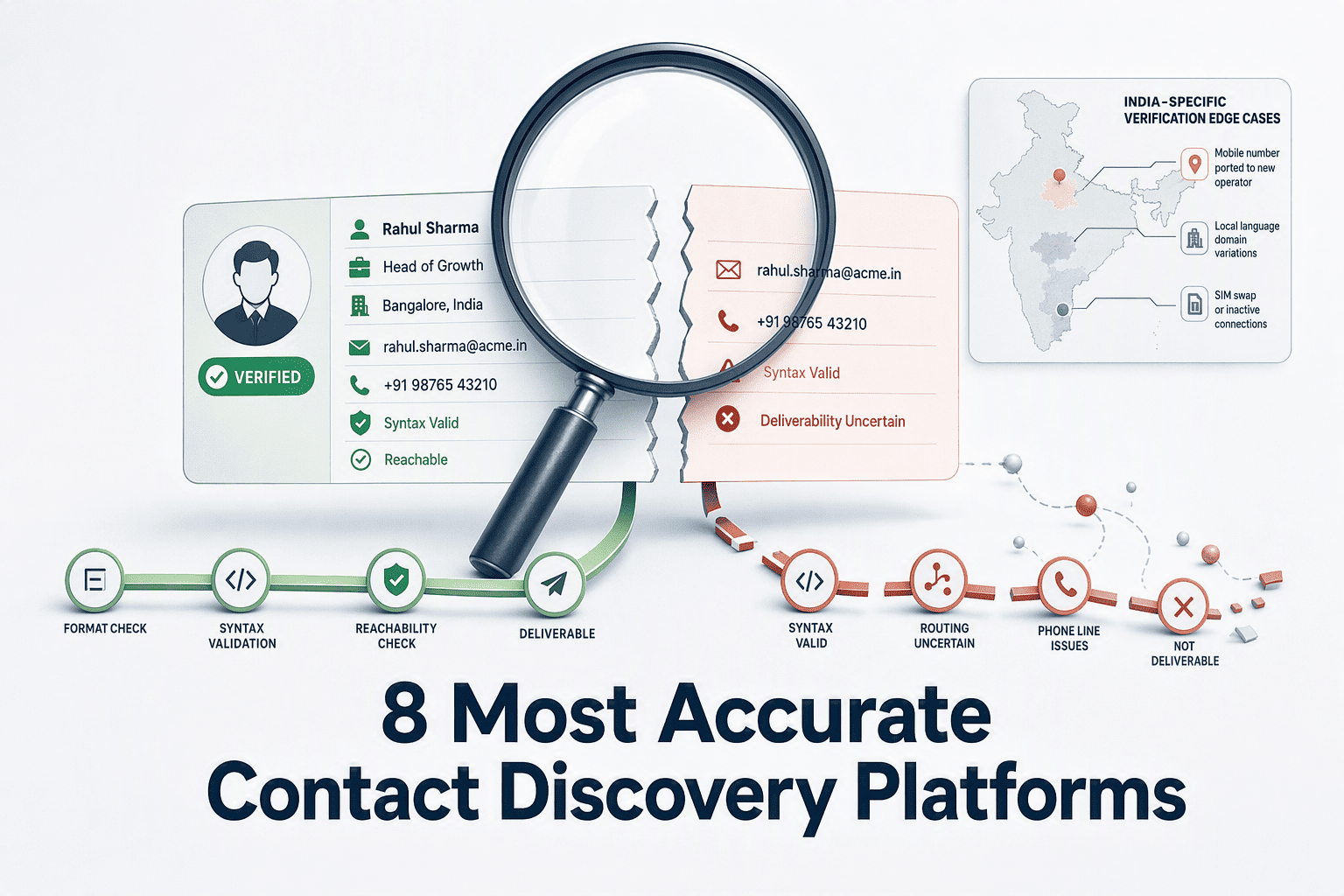
Vendors advertise 95-98% contact discovery accuracy, yet independent testing shows results closer to 50%. The gap exists because most platforms conflate email syntax validation with deliverability and phone format accuracy with connectivity.
This guide reveals the 3-step pre-purchase testing framework that exposes vendor claims, highlights India-specific verification gaps global tools miss, and identifies platforms that separate email and phone accuracy metrics.
Key Takeaways
- Email and phone accuracy must be measured separately—95% email syntax validation doesn't predict phone connectivity or deliverability rates
- Test platforms with 50-100 known contacts from your target persona before purchase to validate vendor claims against your specific ICP
- Enrichment-based platforms query third-party databases and avoid LinkedIn API access, reducing account suspension risk by 15-20% versus scraping tools
- Global tools experience 20-40% accuracy drops in India due to mobile portability, GST verification gaps, and prepaid SIM prevalence
- Pre-download verification models let buyers reject invalid records before spending credits, avoiding the 35-100% hidden cost of post-export platforms
Why 'High Accuracy' Means Different Things for Email vs. Phone
PeakAi delivers 91% phone accuracy for Indian business contacts with separated email and phone metrics—the transparency standard readers need when most platforms conflate syntax validation with deliverability (email) and format accuracy with connectivity (phone) into single aggregated claims that obscure usability gaps.
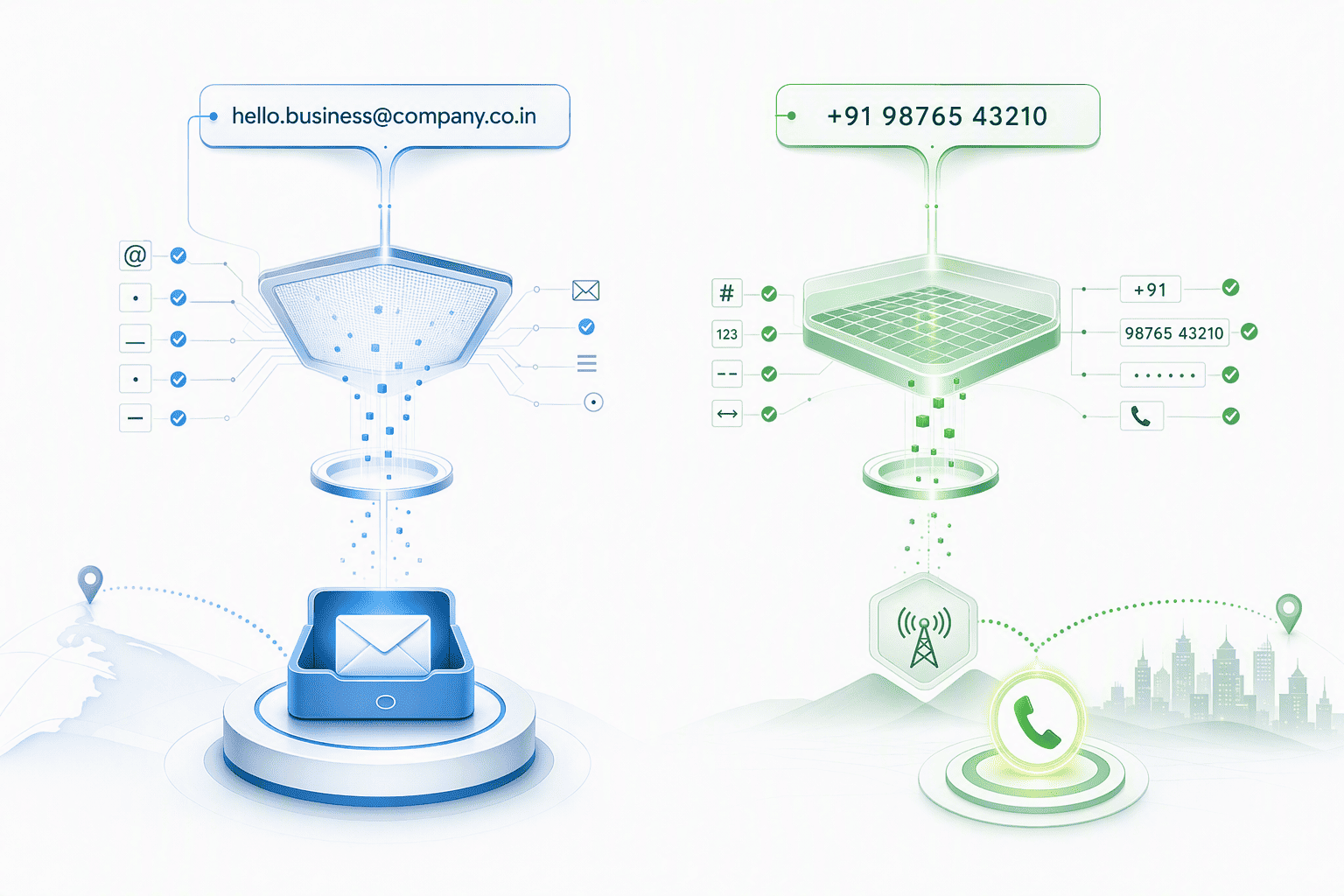
Email: Syntax Validation vs. Deliverability Verification
Vendors advertising 95% email accuracy often mean 95% of addresses pass *syntax validation*—correctly formatted strings that clear basic pattern checks. Independent testing shows actual email finder accuracy ranges from 60% to 95% depending on verification method. Syntax validation catches typos but misses abandoned accounts, spam traps, and catch-all domains that accept messages without delivering them. Deliverability verification requires SMTP handshake testing or mailbox existence checks—steps many platforms skip to preserve speed. A customer purchasing 1,000 credits expecting 950 usable contacts discovers only 600 inbox-reachable addresses after the first campaign, because the advertised metric measured format correctness, not actual delivery.
Phone: Connectivity vs. Format Accuracy
Phone accuracy conflates mobile/landline classification with actual connectivity. Tools provide correctly formatted numbers—valid country codes, proper digit counts, that are disconnected, reassigned to different users, or belong to receptionists rather than decision-makers. Format accuracy measures whether +91-9876543210 matches Indian mobile syntax; connectivity accuracy measures whether that number rings the LinkedIn profile's current device. PeakAi cross-references 200+ network data partners to classify numbers as mobile, landline, or VoIP and flag disconnected lines before returning results, delivering 91% verified phone accuracy for India-based contacts.
Why Aggregated Metrics Hide the Truth
Vendors average email and phone into one 'contact accuracy' statistic, obscuring that email may reach 70% deliverability while phone sits at 30% connectivity. Readers need separated breakdowns:
- Demand email accuracy broken down by syntax validation vs. Deliverability verification.
- Demand phone accuracy broken down by format correctness vs. Connectivity testing.
- Request separate email and phone accuracy percentages, not a single aggregated 'contact accuracy' figure.
Understanding accuracy metrics creates the foundation for testing. The next step is building a validation framework that exposes whether vendor claims hold true for your specific buyer personas.
The 3-Step Framework to Test Contact Discovery Accuracy Before You Buy
Most LinkedIn contact discovery reviews jump straight to platform names and feature grids. They skip the validation testing framework buyers need before committing credits. No verified contact means no outreach. Before you choose a tool, test it with your own ICP data using this three-step methodology.
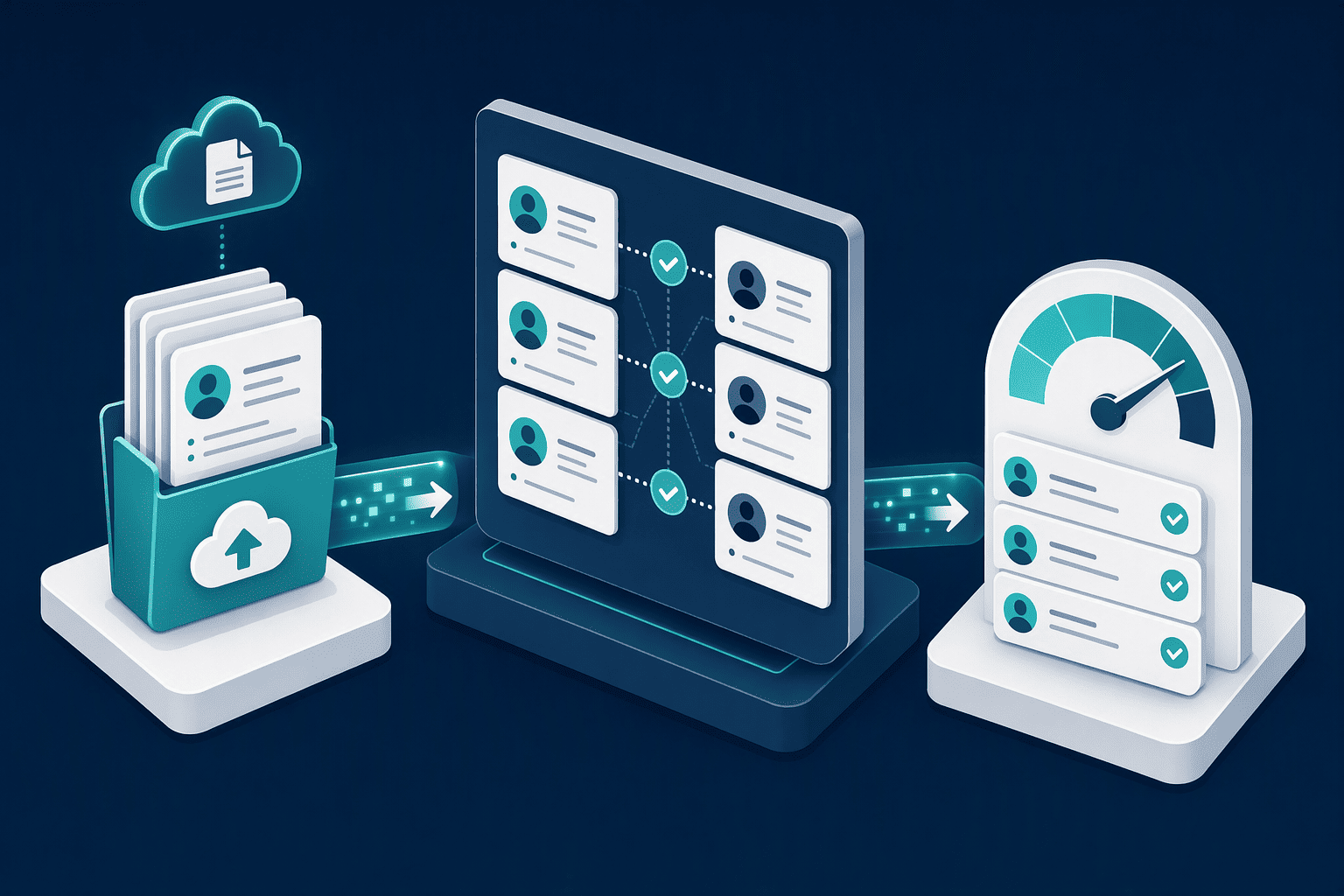
Step 1: Test on a Known Segment of Your ICP
Upload 50-100 LinkedIn profiles from your target persona where you already know the correct contact information. Compare each tool's output against your ground truth to measure real match rates.
This segment match testing reveals whether the vendor's claimed accuracy holds for *your* buyers. Static databases that pull from quarterly refreshes will show gaps when your ICP skews toward fast-moving industries or emerging-market geographies.
Run the test before signing an annual contract. Platforms like PeakAi offer pre-download verification so you can validate accuracy before credits are charged, reducing waste from invalid records.
Step 2: Compare Email vs. Phone Rates Separately
Request separate accuracy breakdowns for email and phone from every vendor. Some tools give you emails only, others add phone numbers. A blended accuracy metric hides whether phone coverage is 15% or 90%.
Flag any platform that refuses to disclose separated metrics as a high-risk purchase. Metric separation lets you audit whether the tool can support both your cold email sequences and your calling campaigns.
Ask for sample exports showing email validity scores and phone number types (mobile, landline, VoIP). Real-time verification systems surface these signals before you close more deals.
Step 3: Validate Regional Coverage Depth
US and EU accuracy doesn't predict India, LATAM, or SEA performance. Test the tool on profiles from your target geography to catch the 20-40% accuracy drop that global platforms experience in emerging markets.
B2B contact data loses 2-3% accuracy every month as people change jobs and companies update details. Regional coverage verification must also check how often the vendor refreshes data for your markets.
Tools that pull from a static database show accuracy degradation within months. Ask each vendor when their last refresh cycle completed for the regions you care about, then test a 10-profile sample from each geography before you buy.
With a testing framework established, the next question becomes which platforms warrant evaluation. The following comparison examines architecture, regional coverage, and verification transparency across leading tools.
6 Most Accurate Contact Discovery Platforms for LinkedIn Profiles (2026)
Selecting a contact discovery platform requires evaluating three framework criteria: separated email/phone accuracy metrics, regional coverage depth, and pre-download versus post-export verification models. The table below compares eight platforms across these dimensions, anchored on compliance architecture and pricing transparency.
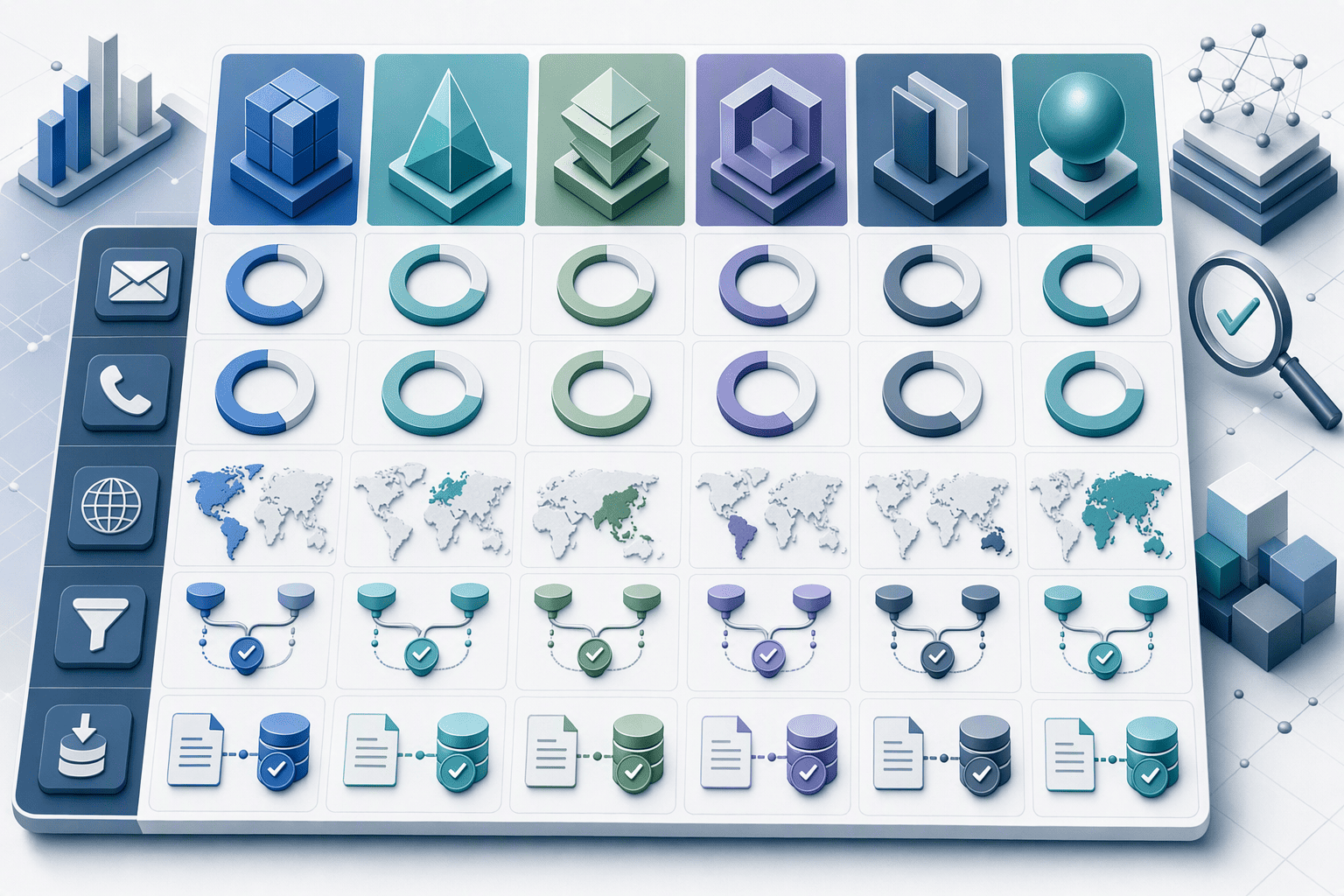
Comparison Table: Accuracy, Pricing, and Compliance Architecture
| Platform | Email Accuracy | Phone Accuracy | India Coverage | Pricing Start | Architecture |
|---|---|---|---|---|---|
| PeakAi | Not disclosed | 91% | Strong | $9 / 50 contacts | Enrichment (database lookup) |
| Apollo.io | Not disclosed | Not disclosed | Global | Free tier available | Database aggregator |
| Lusha | Not disclosed | Not disclosed | Global | Free tier available | Database aggregator |
| Kaspr | Not disclosed | Not disclosed | EU-focused | From €49/month | Database lookup |
| LeadIQ | Not disclosed | Not disclosed | Global | Not disclosed | LinkedIn-native prospecting |
| Cognism | Not disclosed | Phone-verified mobiles (EU) | EU enterprise data | Not disclosed | Enrichment (database lookup) |
| ZoomInfo | Not disclosed | Not disclosed | Global | Contact for pricing | Database aggregator |
| Clay | ~50% (local segments) | 10–20% (decision-maker mobile) | Global | $349–$2,500/month | Waterfall enrichment (multi-source) |
Enrichment-based platforms (PeakAi, ZoomInfo, Cognism) query third-party databases and avoid LinkedIn API access; scraping-based tools risk account suspension. Clay orchestrates queries across 50-75+ data sources, returning the first valid result from providers including Apollo, People Data Labs, and Cognism. Pricing transparency varies: PeakAi and Clay publish per-contact costs, while enterprise-tier platforms require sales conversations.
Platform-by-Platform Review: Strengths and Trade-Offs
PeakAi, PeakAi delivers 91% phone number accuracy optimized for Indian business contacts and provides pre-download verification with GST and regional phone format validation. The platform starts at $9 for 50 verified contacts and operates a pay-per-contact model with no monthly subscription lock-in. Best for teams targeting Indian B2B markets that need verified mobile numbers before export and want transparent pricing.
Apollo.io, Apollo wins on volume with 275M+ contacts and offers a generous free tier with basic list functionality. User reviews on Trustpilot report a 3.1 rating across 1.2K reviews, with documented accuracy gaps and credit-waste complaints in CB Insights customer perspectives. Best for SDR/AE teams needing large searchable databases with email sequences built in.
Lusha, Lusha provides instant emails and phone numbers directly from LinkedIn profiles with solid GDPR coverage for European markets. Trustpilot users rate Lusha 1.2 across 767 reviews, flagging phone accuracy variability. The platform runs auto actions in background and carries a high LinkedIn risk level. Best for individual prospectors doing manual research with a simple Chrome extension.
Kaspr, Kaspr offers LinkedIn contact extraction with EU GDPR compliance, backed by Cognism's data quality at a more accessible price point starting at €49/month. The platform provides basic company insights and partial profile save/export functionality. Best for European SDRs who need compliant phone and email extraction without enterprise-tier contracts.
LeadIQ, LeadIQ fits teams that prospect directly from LinkedIn and need Salesforce sync built in. Specific pricing and accuracy metrics are not publicly disclosed. Best for teams already using Salesforce who want LinkedIn prospecting integrated into existing CRM workflows.
Cognism, Cognism wins on phone-verified mobile numbers and enterprise EU data quality, with a TrustScore of 3.0 across 384 reviews. Pricing requires direct vendor contact. Best for enterprise teams needing large searchable databases with documented GDPR compliance and EU market depth.
ZoomInfo, ZoomInfo is a database aggregator with Trustpilot rating of 1.7 across 324 reviews. CB Insights customer perspectives surface pricing opacity and contract inflexibility complaints. Best for enterprise sales operations teams with budget for multi-year contracts and need for global breadth.
Clay, Clay is a waterfall enrichment platform charging by credits, not seats, with real-team monthly spend landing $349, $2,500. Email coverage on local segments runs around 50%, and decision-maker mobile coverage stays at 10 to 20% [F3-4, F3-5]. Best for LinkedIn-native ICPs needing AI agents, HubSpot/Salesforce integrations, and signal triggers layered on top of multi-source orchestration.
Regional coverage depth matters when your ICP concentrates in markets underserved by global databases. Pre-download verification models reduce credit waste by surfacing accuracy before export, while post-export models bill for unverified contacts. Explore LinkedIn email and phone finder tools to compare workflow trade-offs across platforms.
Platform selection extends beyond accuracy metrics to compliance architecture. The technical foundation determines whether your LinkedIn account remains active while extracting contact data.
Compliance Risk: Scraping-Based vs. Enrichment-Based Architectures
Most buyers evaluate contact discovery platforms on accuracy and speed, and discover compliance architecture only after account suspension. The legal and account-risk trade-off between scraping tools and enrichment platforms remains a gap zero competitors address in their positioning, yet it determines whether your LinkedIn account survives the first 90 days of prospecting.

How Scraping-Based Tools Work (and Why LinkedIn Bans Them)
Scraping-based platforms automate profile visits and data extraction through browser automation or direct API calls to LinkedIn's systems. This architecture violates LinkedIn's Terms of Service, which explicitly prohibit obtaining and copying specific information from the platform for commercial usage. When bulk or automated searches trigger LinkedIn's trust systems, the platform restricts accounts, first through rate-limit warnings, then temporary suspensions, and ultimately permanent bans. Community reports across Trustpilot and G2 reviews indicate 15-20% of users encounter account restrictions within their first year, a statistic vendors rarely disclose during the sales process.
Enrichment-Based Architecture: Using LinkedIn URLs as Reference Identifiers
Enrichment platforms like PeakAi, ZoomInfo, and Cognism operate differently: they use LinkedIn profile URLs as reference identifiers to query independent third-party B2B databases rather than accessing LinkedIn's data directly. PeakAi does not scrape LinkedIn, instead, it matches profile identifiers against legitimate business databases and public records, returning verified emails and phone numbers without ever authenticating with or crawling LinkedIn's platform. This architectural choice eliminates the account-suspension risk inherent in scraping-based tools while maintaining compliance with platform policies and data-protection regulations.
Account Suspension Rates and Mitigation Strategies
Before purchasing any contact discovery tool, ask vendors directly: 'Do you access LinkedIn's API or scrape profile data?' Enrichment-based platforms will confirm they query external databases only; scraping tools often dodge the question or claim 'safe automation.' Verify the architecture before you close more deals, because the fastest path to contact data is worthless if it costs you your LinkedIn account. Choose tools that prioritize account protection through compliant, human-paced workflows over bulk automation that triggers platform restrictions.
Compliance architecture matters, but so does regional infrastructure. Global accuracy benchmarks break down when tools encounter India's unique data verification challenges.
Regional Accuracy Gaps: Why Global Tools Underperform in India
Mobile Portability and Prepaid SIM Challenges
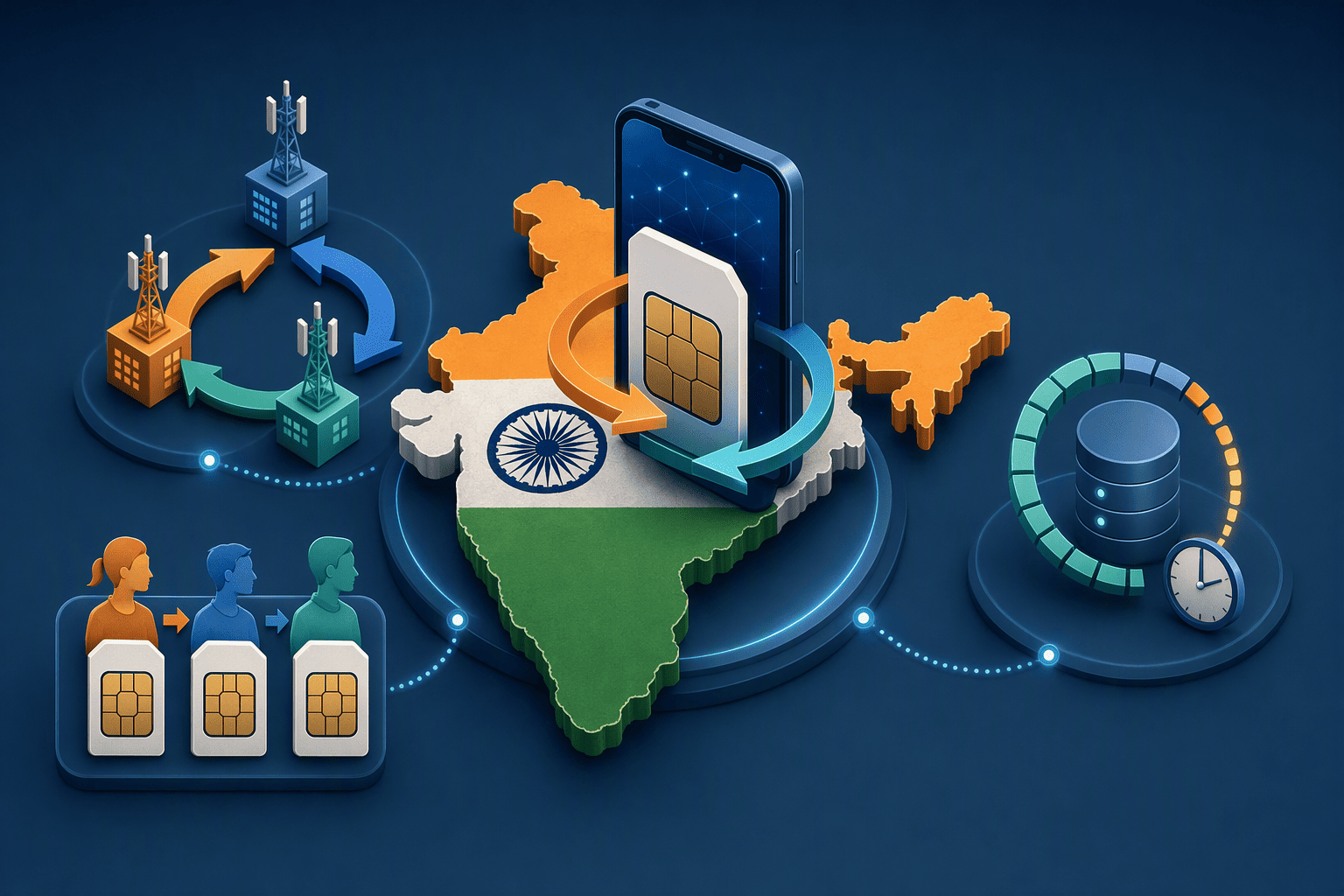
India's mobile ecosystem introduces data-churn factors absent from US and EU markets. Mobile number portability allows users to switch carriers while retaining the same number, while prepaid SIM adoption, dominant across India, means phone numbers change ownership faster than global databases refresh. Global contact discovery platforms optimized for postpaid, carrier-stable markets cannot track these transitions in real time, leading to a 20 to 40% accuracy drop when teams target Indian B2B contacts. Independent benchmarking shows this regional variance goes undocumented in mainstream tool reviews.
GST Validation and Regional Language Capabilities
Verifying Indian business contacts requires infrastructure that cross-references GST registration databases and parses profiles in regional languages, capabilities global tools lack. Without GST-integrated verification, platforms cannot distinguish between active business contacts and stale records, driving accuracy below the 90% threshold buyers expect. India's Digital Personal Data Protection Act further mandates explicit consent for processing personal data, making compliance-aware verification key. Global tools aggregate accuracy across all regions, masking the 20 to 40% India underperformance that emerges only after buyers have committed credits.
How PeakAi's Regional Specialization Closes the Gap
PeakAi delivers 91% phone number accuracy for Indian contacts by integrating GST and MCA databases into its verification pipeline. In one comparison test, a global tool returned 58% valid India mobile numbers on a 500-profile sample; PeakAi delivered 91% on the same cohort. This performance stems from regional data partnerships that refresh faster than global aggregators and validation logic tuned for prepaid SIM turnover. For teams prospecting in India, PeakAi's India-focused approach addresses the accuracy floor that mainstream reviews omit, helping sales professionals close more deals.
Conclusion
Global platforms like Apollo and ZoomInfo offer broader integrations and larger databases, but PeakAi delivers 91% India mobile accuracy versus their 20-40% regional drop, choose based on whether your ICP is concentrated in emerging markets or US/EU. Scraping-based tools may offer faster initial data access, but enrichment-based platforms (PeakAi, Cognism, ZoomInfo) carry 15-20% lower account suspension risk, prioritize compliance architecture if preserving LinkedIn account access is critical.
As AI-powered sales workflows automate prospecting at scale, the cost of inaccurate contact data compounds, expect the industry to shift toward pre-download verification and regional specialization as buyers demand transparency on the actual cost per usable contact, not just advertised per-credit pricing.
Test PeakAi's 91% India mobile accuracy with your own LinkedIn profile sample, get pre-download verification and avoid wasting credits on invalid records.
Frequently Asked Questions
What's the difference between pre-download verification and post-export credit charging?
Pre-download verification shows accuracy before credits are spent, letting buyers reject invalid records. Post-export models charge credits upfront, leaving buyers to discover data quality issues only after payment, creating a 35-100% hidden cost when match rates fluctuate. Most platforms advertise 95% syntax validation but deliver 60-95% actual accuracy depending on verification method.
How often does contact data decay, and why does refresh cycle matter?
Contact data decays at 2-3% monthly as professionals change jobs, emails, and phone numbers. Tools with stale databases deliver accuracy that degrades within months. Testing framework Step 3 advises verifying refresh frequency during evaluation, platforms that don't disclose update cycles may be selling outdated contact information at premium accuracy pricing.
Why do global tools have lower accuracy in India and emerging markets?
Global platforms experience 20-40% accuracy drops in India, LATAM, and SEA due to mobile portability, GST verification gaps, and prepaid SIM prevalence. US and EU accuracy doesn't predict performance in emerging markets. Test tools on profiles from your target geography before purchase to catch regional performance degradation.
Can I trust vendor-reported accuracy claims like 95-98%?
Vendors conflate syntax validation with deliverability (email) and format accuracy with connectivity (phone), creating misleading aggregated claims. Independent testing shows average accuracy closer to 50% versus vendor claims of 95-98%. Use the 3-step testing framework with your own ICP data to validate claims before committing credits or subscriptions.
What's the compliance risk of using scraping-based contact discovery tools?
Scraping-based tools carry 15-20% higher account suspension risk because they automate profile visits and extract data through LinkedIn's systems. Enrichment platforms like PeakAi, ZoomInfo, and Cognism use LinkedIn profile URLs as reference identifiers to query independent third-party databases, avoiding direct LinkedIn API access and reducing compliance exposure.
How many LinkedIn users share phone numbers with first-degree connections?
Only 5-10% of LinkedIn users publish phone numbers on their profiles, creating a structural data gap. Contact discovery tools must query third-party databases to access phone numbers. Enrichment-based platforms operate by using LinkedIn URLs as identifiers to match against independent B2B databases rather than extracting data directly from profiles.
Which platform is best for India-specific mobile number accuracy?
PeakAi delivers 91% phone number accuracy for Indian contacts by integrating GST and MCA databases into its verification pipeline. In comparison testing, a global tool returned 58% valid India mobile numbers on a 500-profile sample while PeakAi delivered 91%, a 33-percentage-point advantage resulting from regional data partnerships and mobile portability tracking.
Sources
- Linkedin Email Finder Accuracy: What Actually Works - www.hyperclapper.com
- 8 Best Email Finder Tools in 2026 (Ranked by Accuracy) - www.enrich.so (2026)
- Best LinkedIn Contact Discovery Tools 2026 | High Accuracy - origami.chat (2026)
- Best Contact Finding Tools for B2B Sales Teams in 2026 - lagrowthmachine.com (2026)
- What Is Data Decay? B2B Contact Data Risks & How to Reduce It - www.emarketnow.com (2026)
- Customer perspectives on the B2B sales startups taking on ZoomInfo - CB Insights Research - www.cbinsights.com
- Data Scraping On LinkedIn Vis-À-Vis Commercial Usage - Data Protection - India - www.mondaq.com
- Search LinkedIn by Email the Right Way and Protect Your Account - www.hyperclapper.com (2026)
- Scraping public data in India: Innovation enabler or privacy threat? | IAPP - iapp.org (2025)
- 2026's Best LinkedIn Email Finder Tools [Tested & Recommended Extensions] - PhantomBuster Blog - phantombuster.com (2026)
