
Introduction
Your sales pipeline depends on dialing a number that connects to the right decision-maker. In India, that bet fails more often than global dashboards admit. While a tool like Apollo.io claims broad coverage, independent testing shows its Indian email accuracy sits at 70%.
That 30% gap isn't a statistic, it's wasted credits, frustrated reps, and deals lost to competitors who called the correct contact first. The Digital Personal Data Protection Act, with full enforcement from May 13, 2027, now turns data sourcing from a convenience question into a legal liability.
This reality demands tools built from local registries, not global graphs. PeakAI offers India-focused business insights to help sales teams connect faster, using publicly available data to surface the verified contact details local outreach requires.
Key Takeaways
A direct comparison of India-focused sales intelligence tools reveals where accuracy and compliance converge.
- MCA Sourcing Dominates Accuracy: Tools pulling data directly from India's Ministry of Corporate Affairs filings deliver 98% email accuracy, dwarfing the 70% rate from globally inferred graphs.
- Compliance Is Operational in 2026: The DPDP Act 2023 enforcement deadline next year requires an explicit consent framework and compliant data handling, which most global vendors haven't publicly addressed.
- Mobile Credits Punish Global Tools: On global platforms, a single Indian mobile number can cost 8 credits without a refund guarantee; local-first platforms offer the same at 1 credit with an instant refund on bad data.
- Hyperlocal Depth Defines Coverage: The ability to surface 25,789 enterprises across 485 Indian cities, including MSME clusters in remote districts, turns dead-end searches into actionable leads.
- Credit-Back Guarantees Reset Buying Power: An instant credit refund on every bounced phone number turns data purchasing from a sunk cost into a performance-based expense.
Why Indian B2B Sales Data Demands a Local-First Accuracy Standard
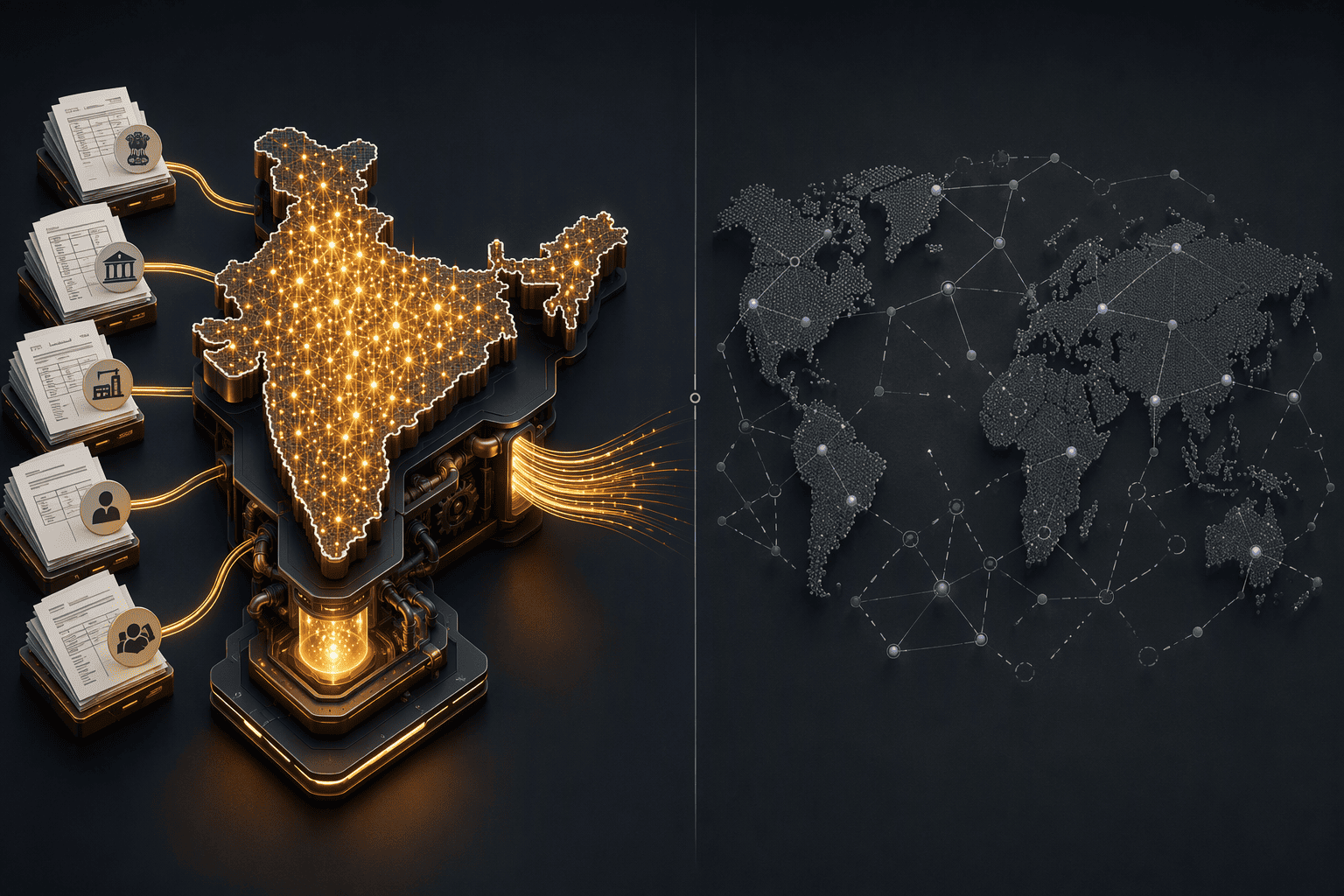
Global contact databases treat India as a single node in a worldwide graph. The results prove that model fails where business structures are unique.
- The MSME Visibility Gap: India's unorganized micro and small enterprise sector rarely maintains a polished LinkedIn presence. A tool sourcing from the Ministry of Corporate Affairs captures these statutory filings that global graphs leave invisible, unlocking a segment constituting a significant portion of the economy.
- Accuracy Degrades on Inferred Data: When Apollo.io was tested against a set of Indian records, its accuracy dropped to 70%. For Fortune 500 targets, its enterprise contact accuracy drops to around 76%. This gap translates directly into higher bounce rates and wasted outreach efforts in a mobile-first market.
- Data Decay Moves Faster Than Global Algorithms: B2B contact data decay hits 22.5% annually. Without a direct line to updated MCA statutory filings, contact databases age past usefulness well before a subscription term ends.
- Structure Trumps Inference: Indian corporate hierarchies register with defined directors, signatories, and registered addresses. MCA-sourced tools extract this structured record. Global graphs infer connections between a LinkedIn profile and a company page, missing the formal officers who hold real purchasing authority.
The DPDP Act 2023 Compliance Checklist for Sales Intelligence Tools
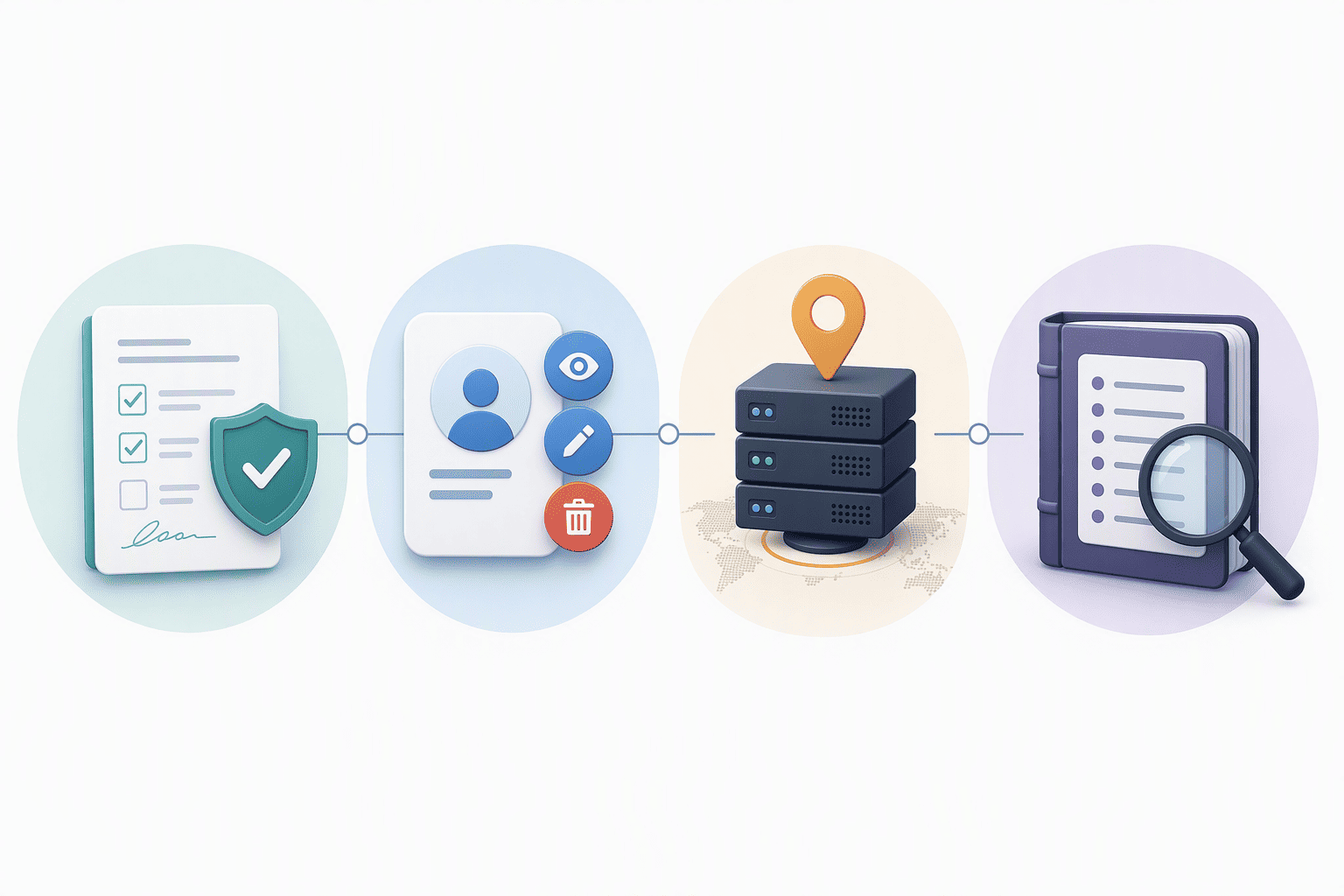
Any tool you add to your stack today must survive the regulatory shift arriving next year. To assess vendor compliance under the DPDP Act:
- Confirm consent frameworks: Verify the provider can demonstrate lawful data collection, not just global scraping or LinkedIn-graph inference, which now carry compliance risk.
- Check data principal rights management: Ensure the vendor can support subject access, correction, and erasure requests as mandated.
- Require data localization protocols: Confirm data is stored and processed within India as per DPDP Act requirements.
- Look for independent assessment: Seek vendors like Zintlr, independently assessed as DPDP Act 2023 compliant as of December 2025 and ISO 27001:2022 certified, a combination several global alternatives have not publicly stated.
Your most direct action step before renewal: ask every vendor for proof of DPDP Act 2023 readiness. Silence on this point isn't neutral, it's a signal. A tool not built on a lawful, consent-aligned data source like MCA filings will struggle to retrofit compliance by the deadline. The cost of the tool matters far less than the cost of an interrupted pipeline when enforcement begins.
Inside the Data Source: How MCA-Sourced Intelligence Outperforms Global Graph Models
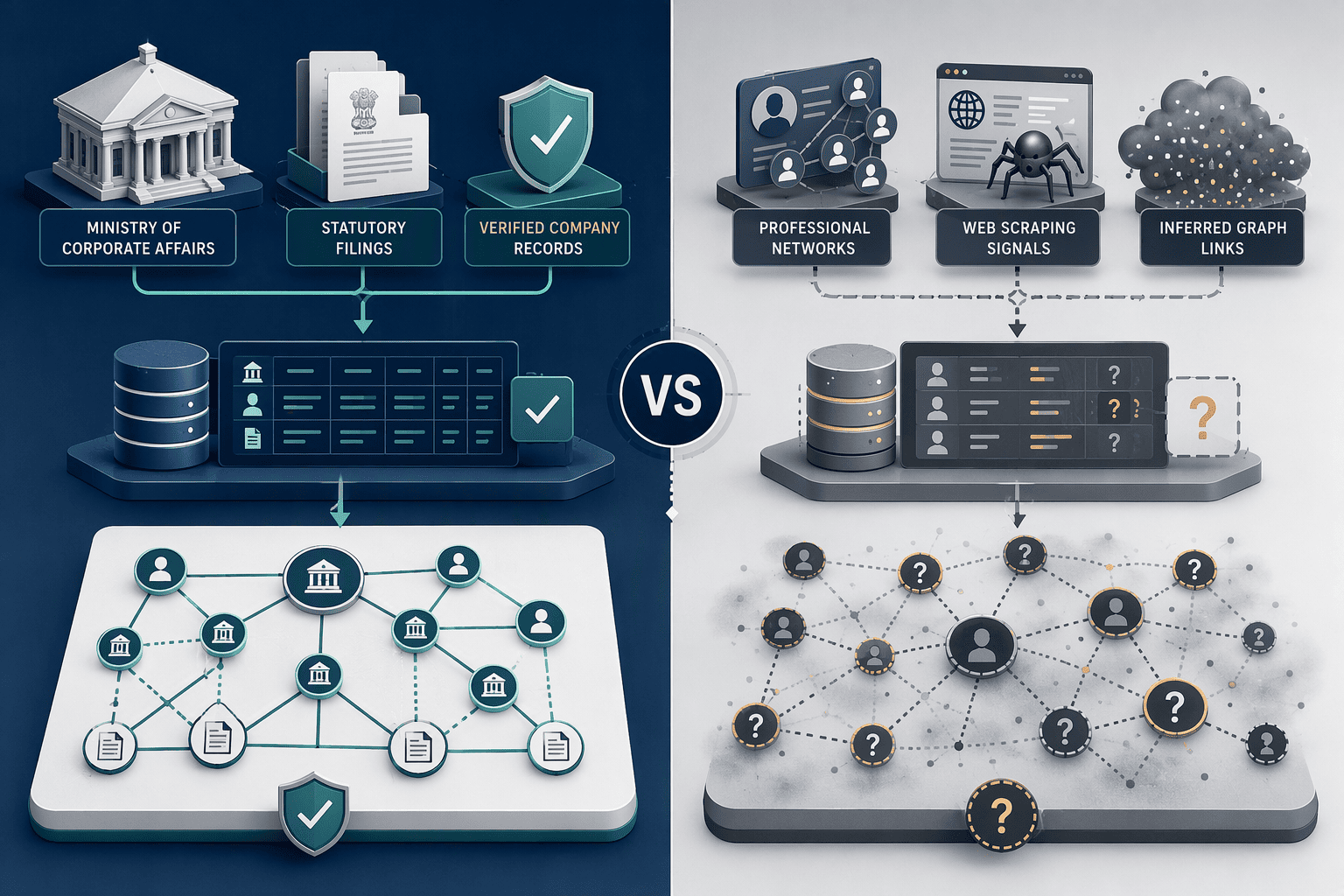
Where your contact data originates determines whether a sales dial reaches a decision-maker or a disconnected tone. Below is a breakdown of the two models.
| Feature | MCA-Sourced Model (e.g., Zintlr) | Global Graph Model (e.g., Apollo.io) |
|---|---|---|
| Data Origin | Ministry of Corporate Affairs statutory filings and proprietary data | LinkedIn profile connections, global web scraping, and social inference |
| Core Entity | Registered company, verified directors, and signatory details | Individual social profiles, job titles matched to company pages |
| Coverage Depth | Captures MSMEs and formal businesses that lack a digital footprint | Favors companies and individuals with an active LinkedIn presence |
| Compliance Posture | Aligned with DPDP Act 2023; assessed against India-specific data law | Not stated for the DPDP Act; governed by global privacy frameworks |
| India Mobile Cost | 1 credit per contact, instant credit refund on a bad number | 8 credits per contact, no credit-back policy |
An MCA-sourced database draws from statutory filings submitted to the Ministry of Corporate Affairs. This includes registered company names, verified director identities, and signatory details that businesses have a legal obligation to keep current. Because the data is submitted under regulatory mandate, every record ties back to a legally registered entity.
A global graph model stitches together social profiles, job titles, and company pages scraped from platforms like LinkedIn. The model infers connections between people and organizations. It favors businesses and individuals who maintain an active social presence. Companies without a digital footprint, a category that includes a large number of Indian MSMEs, slip through the cracks entirely.
The two most important coverage differences are statutory filing depth and MSME inclusion. An MCA-sourced approach captures formal businesses regardless of their online activity, while the alternative requires a social-media trail that many Indian enterprises simply do not have. This gap has a direct impact on outreach quality in the Indian market.
The Real Value of a Credit-Back Guarantee on Indian B2B Contact Data
In a market where mobile data costs vary by a factor of eight, a credit-back guarantee converts data buying from a purchase into an investment.
Apollo.io charges 8 credits per mobile number reveal and offers no credit-back on inaccurate numbers. Pay that price for a disconnected line, a recycled number, or a contact who left the role, and you've zeroed out the credit with nothing to show for it. Zintlr charges 1 credit for the same lookup and refunds it instantly on a bounce. Every dead number becomes a preserved opportunity. Over a month of heavy Indian prospecting, that refund mechanism materially changes the number of valid contacts you unlock per dollar.
Think of the credit-back guarantee as a supplier confidence signal. A vendor who refunds invalid data earns more when their data is clean. A vendor who refuses refunds earns the same regardless of accuracy. In the Indian B2B landscape, where phone numbers change more frequently than email addresses, that alignment directly governs your cost per conversation.
Head-to-Head Accuracy and Pricing: Comparing India-Focused Sales Intelligence Platforms
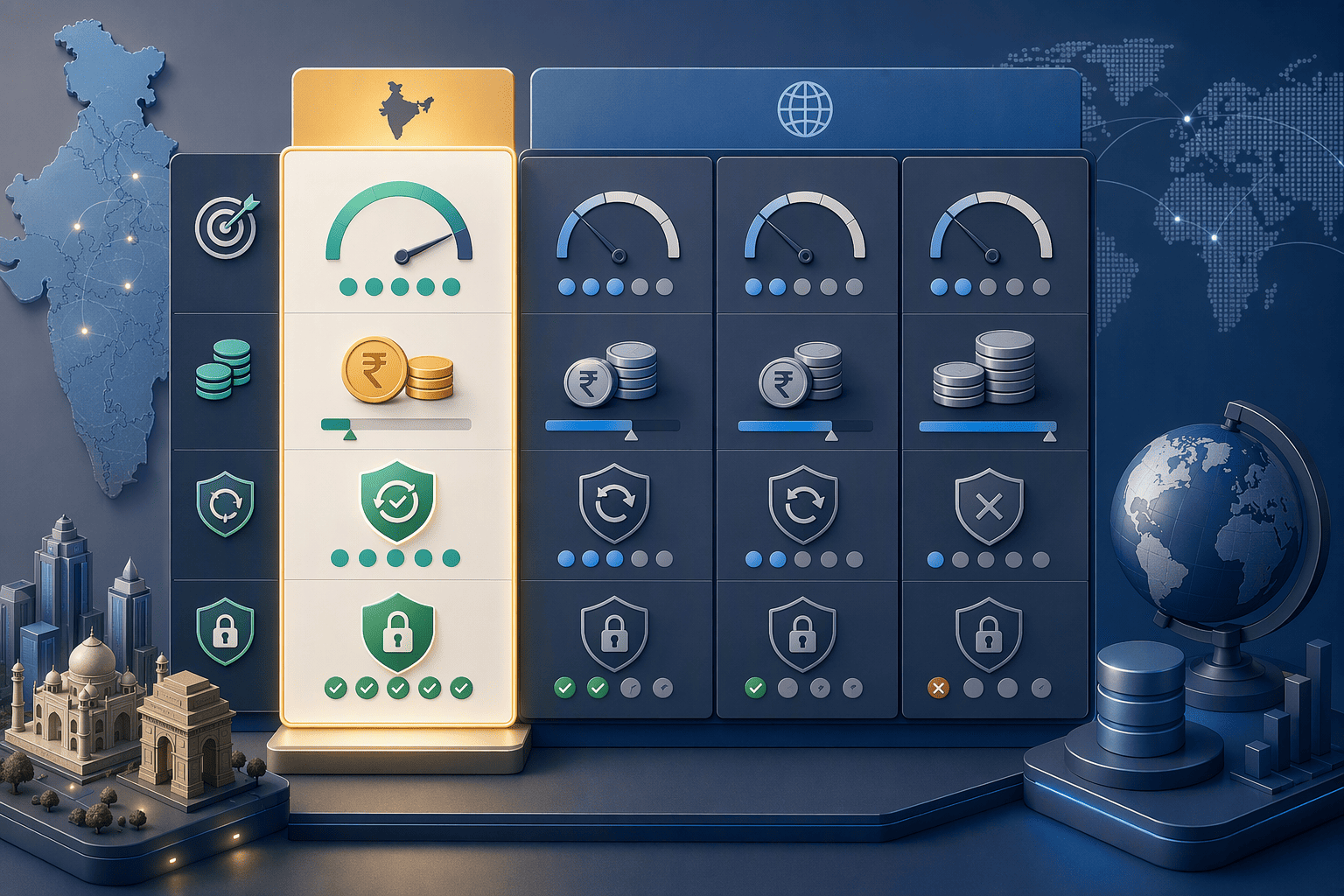
Putting these tools onto one table clarifies where your budget meets real Indian coverage. Independent testing of 500 records across 9 platforms set a benchmark; here is how the market divides along local versus global sourcing lines:
- Zintlr: Operates from MCA filings, claims a 98% India email accuracy rate, charges 1 credit per mobile lookup with instant refund on failure, and does not disclose DPDP Act compliance gaps.
- Apollo.io: Delivers around 70% Indian email accuracy, charges 8 credits per mobile reveal with no credit-back, and despite a 38% adoption rate among businesses purchasing sales data tools, does not disclose DPDP Act compliance.
- ZoomInfo and Lusha: Have not publicly addressed DPDP Act readiness, and their data models favor North American and European depth.
- PeakAI: Offers a pay-per-use entry point with phone numbers at 5 credits, emails at 1 credit, 91% phone accuracy, and an average lookup time of 10 seconds, ideal for teams without a subscription lock focused strictly on the Indian market.
Shifting budget from a global tool's premium plan to a local-first solution with refundable credits resets cost per lead immediately.
Uncovering India's Hidden Economy: Hyperlocal Depth from Andaman to MSME Clusters
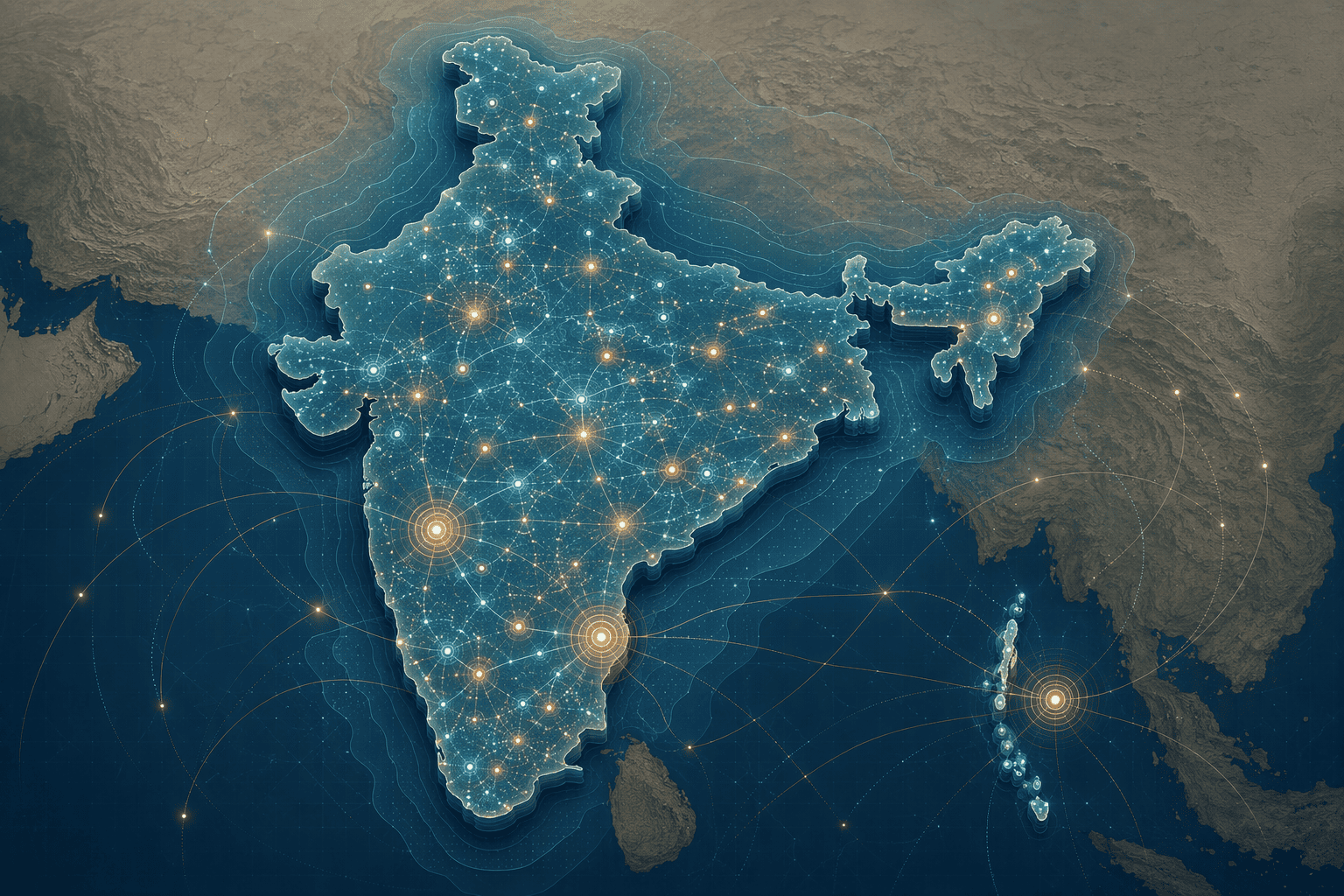
Sales intelligence stops being strategic when every tool surfaces the same 500 companies in Bengaluru and Mumbai. The next deal sits in Diglipur, Ariyalur, or a two-unit manufacturing enterprise in Bagalkote, where a global graph never looks.
Local-first databases surface entire economies invisible to LinkedIn scraping. A platform built on MCA filings captures businesses like a Proprietary trading firm in Delhi, an electrical repair service in Andaman with a single unit registered since 2014, or a Micro enterprise in Tamil Nadu with UDYAM registration active since late 2020.
These companies don't maintain Glassdoor pages or publish thought leadership, but they buy inventory, negotiate supplier contracts, and make purchasing decisions every quarter. If your database stops at firms that optimize for a North American social network, you never call them.
This depth also refines territory planning. Instead of fighting for exhausted Tier-1 accounts, you can allocate reps to MSME clusters in Nagaland or districts where 1,130 enterprises already operate. PeakAI's directory records 25,789 enterprises across 485 cities, which turns a hypothetical outreach map into a concrete call list.
Conclusion
The May 2027 DPDP Act deadline meets a hard operational figure: global tools misclassify roughly 30% of Indian business records when tested against local benchmarks. Legacy dashboards carry a second cost beyond the subscription fee. They feed outdated contacts into your CRM and leave you exposed to a regulation that demands reasonable data safeguards.
A tool that pulls its records from MCA filings removes that gap at the source. When every phone number traces back to a government-registered return, the call either connects or it doesn't, and the vendor's credit-back guarantee covers the miss. That changes the budget line from a sunk cost into a paid-for-deliverable.
Local-first architecture also matches how Indian companies actually structure themselves: multiple GST registrations, regional directors, and director-level mobile numbers that global scrapers routinely miss. If your stack runs on that data, the 2027 deadline becomes an operations problem instead of a compliance event.
Frequently Asked Questions
Which sales intelligence tools offer the most accurate contact data for the Indian B2B market?
Tools built on Ministry of Corporate Affairs filings, like Zintlr, deliver the highest Indian data accuracy, claiming 98% email correctness. Global tools like Apollo.io score around 70% on Indian records, as their LinkedIn-graph model misses India's formal business registries.
How does PeakAI compare to Lusha or Apollo.io on pricing and India coverage depth?
PeakAI follows a pay-per-use model: 1 email costs 1 credit, and 1 phone number costs 5 credits, with 91% phone accuracy claimed. Global tools Apollo.io and Lusha charge 1 to 8 credits for emails and phones, respectively, but lack India-specific depth and DPDP Act compliance clarity.
Which sales intelligence tools are compliant with India's DPDP Act 2023?
Zintlr has been independently assessed as DPDP Act 2023 compliant as of December 2025 and holds ISO 27001 certification. Major global alternatives including Apollo.io, ZoomInfo, and Lusha have not publicly stated their compliance posture for this Indian regulation.
What pricing models do Indian sales intelligence tools use for mobile numbers and emails?
Credit costs for Indian mobile numbers vary sharply. Zintlr charges 1 credit and refunds instantly on bad data, while Apollo.io charges 8 credits with no refund. Lusha charges 5 credits for a phone number and 1 credit for an email on its published pricing page.
How can a sales team verify that Indian prospect data is current and sourced ethically?
Demand a credit-back guarantee on bad phone numbers and explicit proof of DPDP Act compliance. Data sourced from MCA statutory filings holds current signatory and registered address records, while LinkedIn-graph-inferred contacts carry higher decay risk and unclear consent provenance.
Why does India require a different sales intelligence tool from global vendors?
India's vast MSME sector and unique corporate structure remain invisible to global social-graph tools. B2B contact data decays at 22.5% annually, and only MCA-sourced databases directly capture the registered directors and official addresses that global tools infer and frequently miss.
Sources
- Best B2B Contact Database for India (2026): Top 5 Compared - Zintlr's Blog - zintlr.com
- Best B2B Contact Databases in 2026, Ranked by Accuracy | OneAway - oneaway.io
- Apollo vs Lusha: Features, Pricing & B2B Data Compared (2026) | Apollo - www.apollo.io
- Lusha Pricing - Choose the Best Plan for You - www.lusha.com
